January's birth flowers are the carnation and the snowdrop. The Old Farmer's Almanac names both, and its January page keeps their meanings separate instead of pooling them: the carnation stands for love and remembrance, while the snowdrop carries hope and optimism in good times and compassion after a loss. Only one of the two is a flower you can send. Snowdrops are low-growing garden bulbs that florists almost never carry as cut stems, so a January bouquet gets built on carnations, which Cindy's Flowers hand-ties in our Toronto studio.
Why January's two flowers don't share one meaning
Tradition, not botany, is why the month has a pair at all. Birth-flower charts grew out of the 19th-century habit of matching blooms to sentiments, and the month-by-month version most florists work from today is the one the Old Farmer's Almanac publishes. Because it is convention, the lists drift a little between sources and countries. January is unusually stable: carnation first, snowdrop second, almost everywhere you look.
What does drift is the meaning. Printable charts tend to mash the two flowers into one string of words, then hang all of it on the carnation, which is how "hope" ends up pinned to a flower that has never carried it. The Almanac's own January page splits them. It calls the carnation a florist-industry staple for Mother's Day and Valentine's Day "thanks to its meanings of love and remembrance". The snowdrop gets its own reading: sympathy and celebration, with optimism and hope during happy times, compassion after a death or misfortune, and innocence linked to the flower's colour. Hope belongs to the snowdrop. Remembrance belongs to the carnation.
A January birthday also straddles two star signs, Capricorn until roughly the 19th or 20th and Aquarius after that, and the month's birthstone is the garnet. None of that changes the flowers, since birth blooms are assigned by month rather than by sign. Our month-by-month birth flower guide lays out all twelve pairs if you want the full calendar.
What each carnation colour means
Colour does more work here than the flower itself. The Almanac publishes a table for it, and it reads like this:
- Light red: admiration
- Dark red: deep love
- White: innocence, pure love, remembrance
- Pink: affection, a mother's love
- Purple: capriciousness
- Yellow: disappointment, rejection
- Striped, in any colour: regret
Two of those deserve a second look. Yellow carnations get sold all over the internet as friendship flowers, and the Almanac's table gives them disappointment and rejection instead. Striped means regret on the Almanac's January table, though older lists, Greenaway's among them, say refusal. I would keep both out of a birthday bunch unless the joke is deliberate. Pink is the warmest safe choice, and its reading as a mother's love comes from a Christian legend the Almanac records, not from Mother's Day: Anna Jarvis's original 1908 carnation was white, and the florists' later split was red for a living mother and white for one who had died. Dark red says roughly what a red rose says, with less ceremony.
That colour code matters just as much when the flower is going on skin rather than into a vase, which is worth reading up on before you book a birth month flower tattoo.
Why a January carnation never came from an Ontario garden
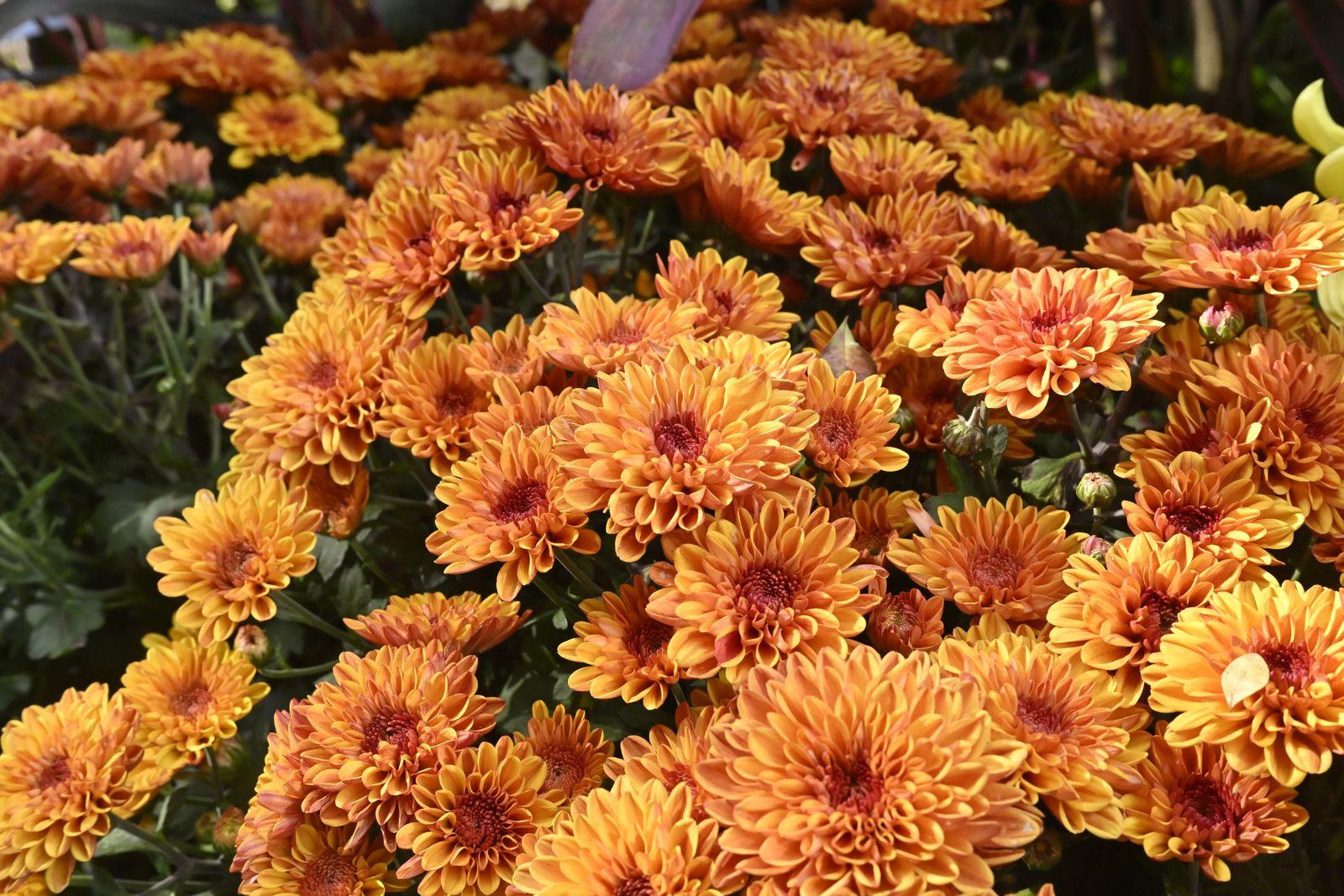
Because the plant flowers in midsummer. NC State Extension puts Dianthus caryophyllus at one to four feet tall, hardy in USDA zones 6a to 9b, blooming in summer, and notes that carnations are intolerant of high heat. In a Southern Ontario garden that means July, give or take, and nothing whatsoever in January. Every carnation in a winter bouquet here is greenhouse grown or imported.
That turns out not to be a compromise. NC State also notes that a taller strain, three to four feet, is grown specifically for the florist industry and used for cut flowers and boutonnieres, and it rates the species a good cut flower. So the stems that arrive in January are bred for precisely this job, which is why our carnation bouquets hold up in deep winter as well as they do in July.
The name is older than any of that. Dianthus comes from the Greek dios anthos, joining Dios, meaning of Zeus, with anthos, meaning flower, and the Greek botanist Theophrastus is usually credited with the coinage. Flower of the gods, in other words. The species is native to the Mediterranean, though its exact wild range is no longer known.
What does the snowdrop symbolize?
Sympathy and celebration at once, which is a wide range for such a small flower. The Old Farmer's Almanac reads snowdrops as offering optimism and hope during happy times, and as symbols of compassion following a death or misfortune. Innocence is the third reading, and it is linked to the flower's colour. That double life is why a snowdrop suits both a birthday card and a condolence note.
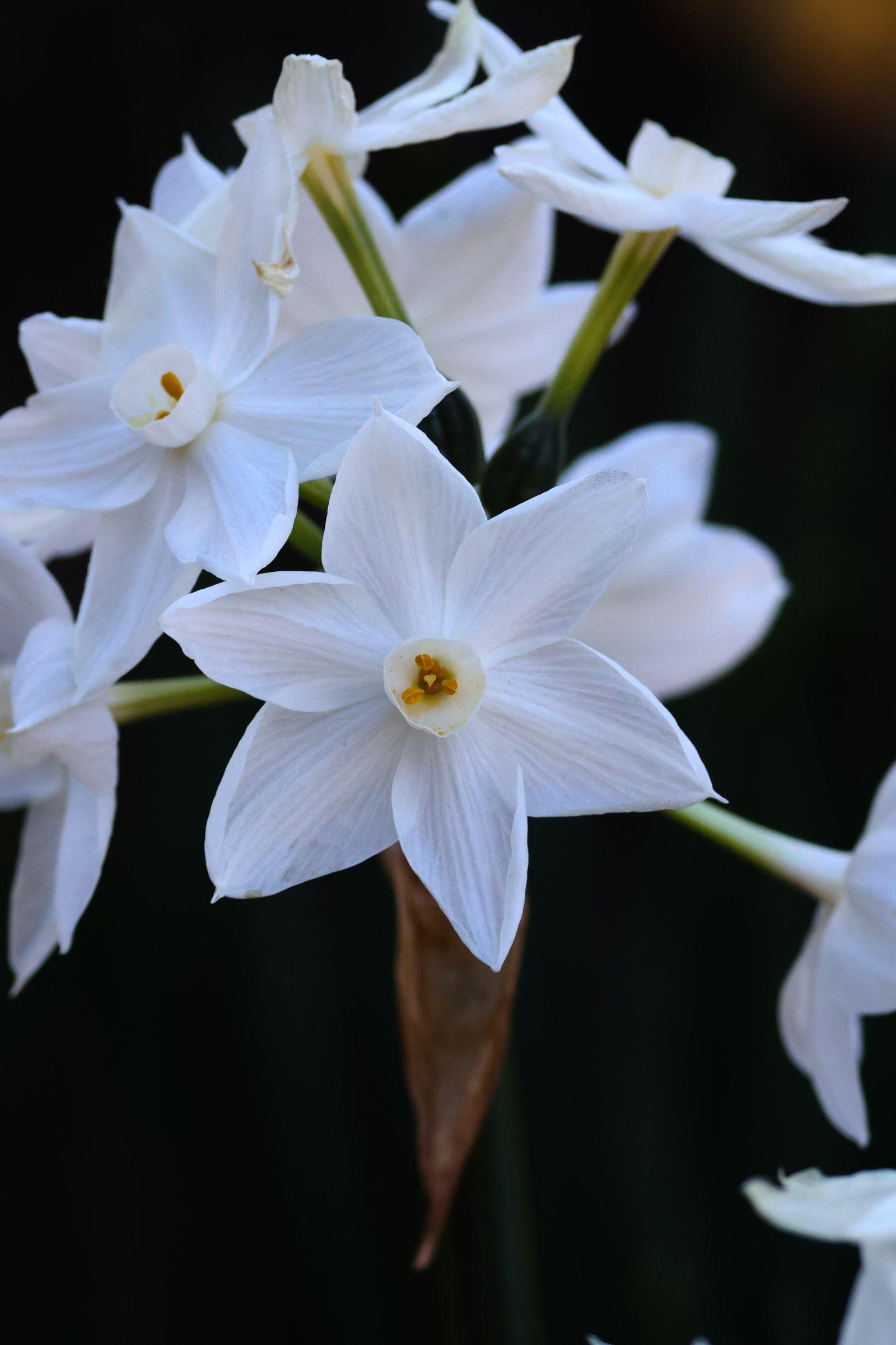
The plant is Galanthus, a bulb that flowers at the tail end of winter. In milder climates it opens while the snow is still on the ground, which is how it earned a slot in January on a list written in the northern hemisphere. Toronto is not one of those climates. Snowdrops here come up once the snow retreats and the soil thaws, so in a Canadian January the flower is a symbol on a card rather than something blooming outside the window.
You will not be sent snowdrops either. They stand a few inches tall and are not a commercial cut crop, so the tradition honours them without selling them. If you grow them, one caution is worth knowing: the Pet Poison Helpline lists snowdrops and states that the plant contains the alkaloids lycorine and galanthamine throughout, with the highest concentration in the bulbs, and that pets who eat them suffer gastrointestinal distress including drooling, vomiting and diarrhea. The bulbs are the worst of it, but a picked posy carries the same alkaloids, so the vase is no exemption.
Building a January birthday bouquet that lasts
Carnations do the practical work of a winter bouquet, and they are generous about it. The Old Farmer's Almanac puts their vase life at 14 to 21 days, longer than nearly anything else in the cooler, which counts for something in a month when a gift travels from a freezing porch into a dry, heated apartment. Our ranking of the longest-lasting cut flowers has the rest of the field, and the carnation care guide covers the fresh cut and clean water routine that gets you the full three weeks.
Three ways to build the month:
- All carnations, one colour, plenty of stems. Dark red or pink at that density reads as deliberate rather than plain.
- Carnations as the backbone of a mixed winter arrangement, their ruffles filling out whatever else is good that week. That is the usual shape of our mixed bouquets.
- One white carnation set into an arrangement of something else, when you want the birth flower referenced rather than announced.
Settle one thing before you order: pets. The ASPCA lists the carnation, filed together with pinks, wild carnation and sweet william, as toxic to dogs, cats and horses, naming an unknown irritant as the toxic principle and mild gastrointestinal signs and mild dermatitis among the effects. NC State Extension separately rates its poison severity low. That is a smaller hazard than plenty of florist flowers carry, but it is not a clean bill of health, and in a house with a cat who chews stems I would go another way. Roses and alstroemeria are both on the ASPCA's non-toxic list for dogs, cats and horses, and either carries a January birthday perfectly well.
Cindy's Flowers hand-ties January carnation bouquets in our Toronto studio and delivers same-day across Toronto and the GTA, Monday to Saturday, on orders placed before 3 PM. Browse what is fresh today, or start from our birthday flower delivery page and tell us which of those colour meanings you are aiming for.