A birth month flower tattoo takes the bloom your birth month traditionally claims and commits it to skin: carnation for January, violet for February, daffodil for March, daisy for April, lily of the valley for May, rose for June, larkspur for July, gladiolus for August, aster for September, marigold for October, chrysanthemum for November, narcissus for December. Each carries an inherited meaning, from January's fascination to December's protection. What surprises people is that no official list exists, so the version you wear is partly your own choice. The stem itself is the one reference a photograph cannot flatten, and Cindy's Flowers hand-ties birth-flower bouquets in our Toronto studio for same-day delivery across Toronto and the GTA on orders placed before 3 PM.
What does each birth month flower mean?
The list below follows The Old Farmer's Almanac, one of the most widely cited references for birth flowers. Nearly every month gets a primary flower plus a secondary. Read the meanings as convention, sentiment that settled onto each bloom over centuries, rather than as botany. The line-work notes beside them are ours, from handling these stems.
- January: carnation, meaning love, fascination and hope. Snowdrop is the alternate. That fringed, torn-looking petal edge is the whole tell; smooth it out and you have drawn a rose.
- February: violet, read as modesty, loyalty and youthfulness, with primrose second. Five small petals over one heart-shaped leaf. Very few flowers survive being tattooed this small.
- March: daffodil: new beginnings, rebirth, prosperity. Its listed partner, the jonquil, is not really a separate flower at all. More on that below.
- April: daisy, standing for innocence, purity and gratitude, with sweet pea beside it. A ring of ray petals around a disc is simple to draw and unforgiving of a wobbly line.
- May: lily of the valley, meaning happiness, sweetness and hope; hawthorn is the secondary. Draw it in profile so the bells actually hang off the arch of the stem.
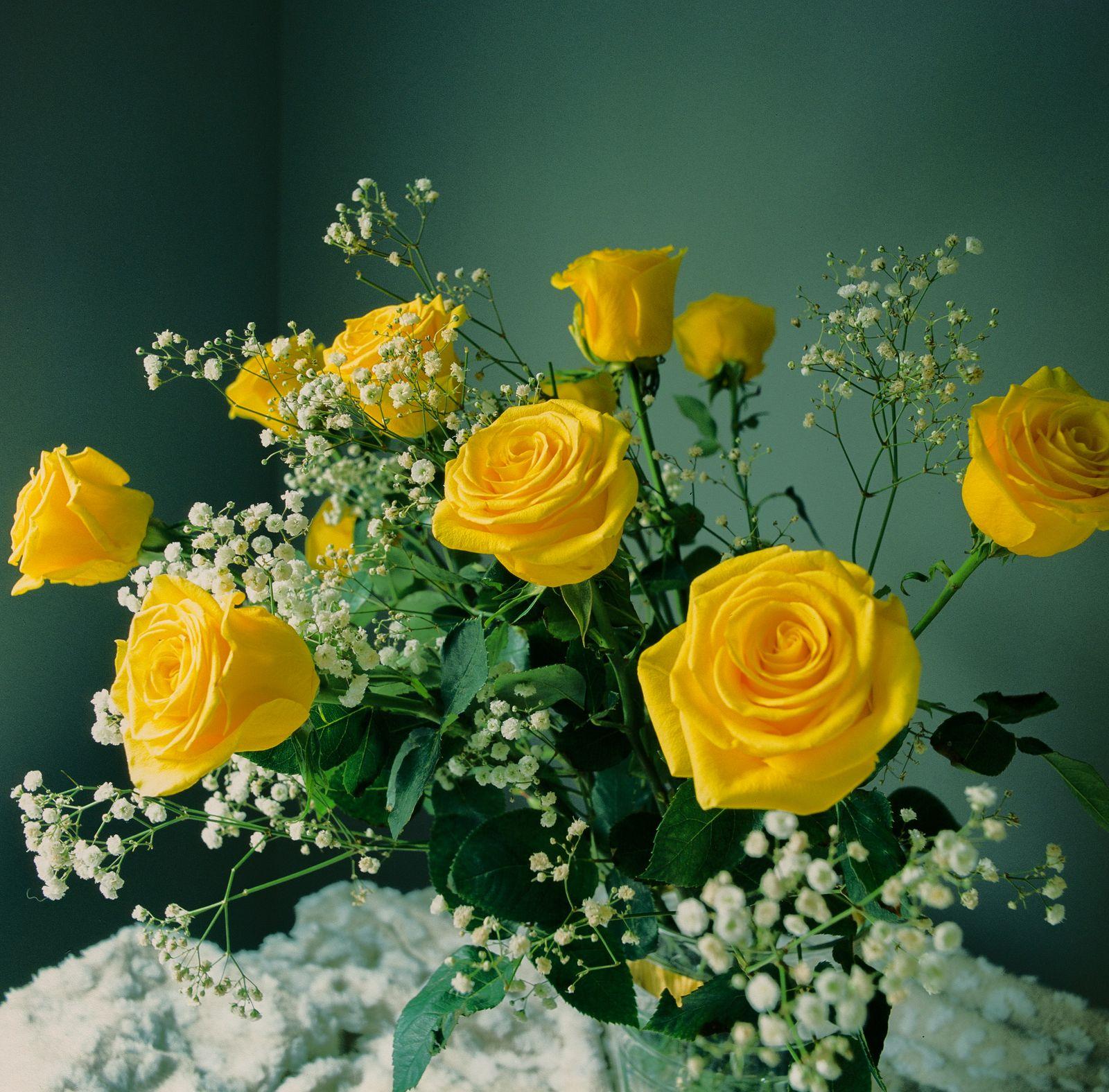
- June: rose for love, passion and affection, backed by honeysuckle. The default flower tattoo, which is either the appeal or the problem.
- July: larkspur, read as positivity, lightness and purity, paired with the water lily. A tall spike of spurred florets that wants a vertical placement.
- August: gladiolus: strength, remembrance and peace, with the poppy second. Sword-shaped leaves, and a flower spike that opens down one side rather than all the way around.
- September: aster, meaning patience, love and affection, alongside morning glory. A star-shaped head, and far denser than most people draw it.
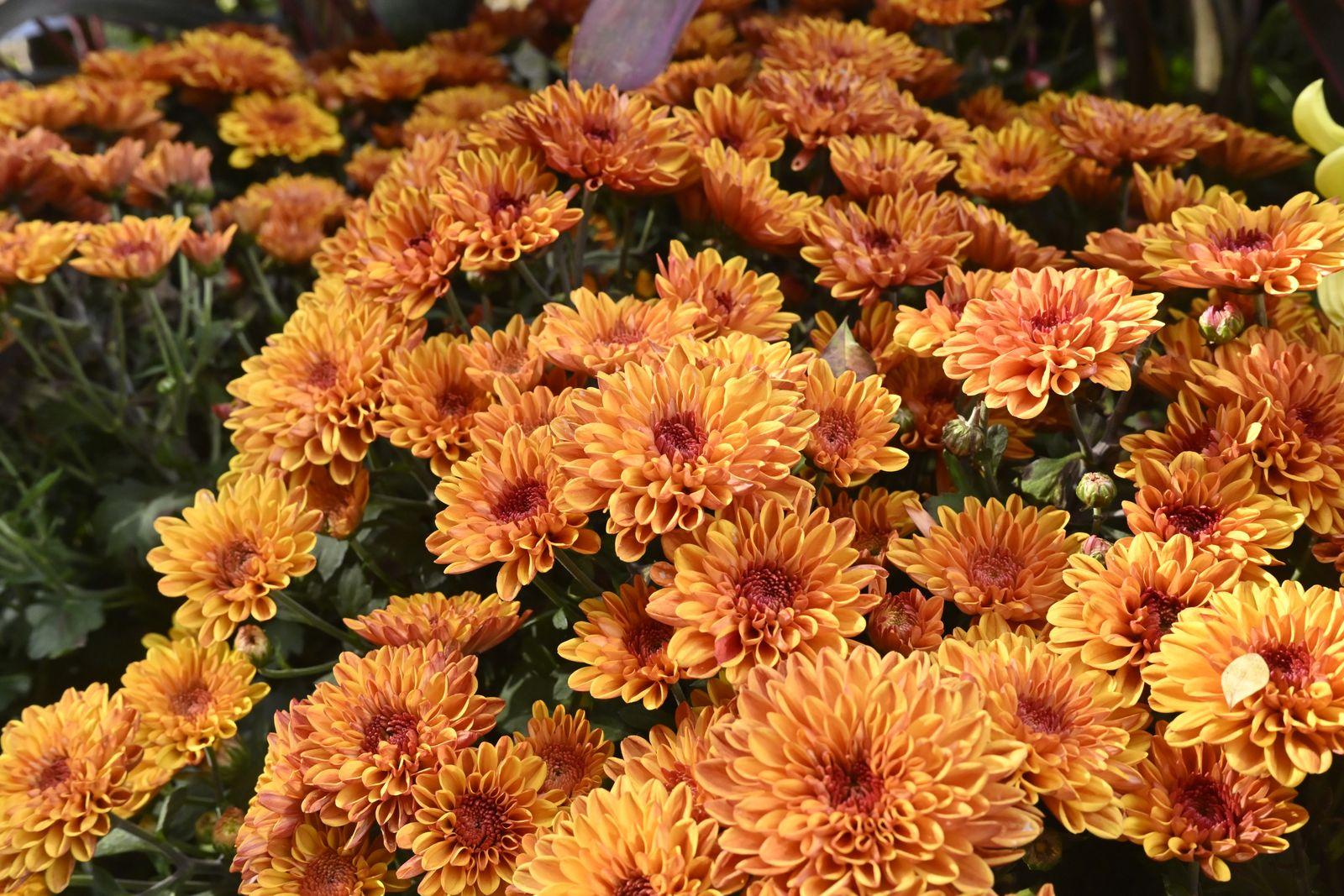
- October: marigold, standing for creativity, passion and joy, with cosmos as the alternate. Two opposite faces for one month: the marigold packed tight, the cosmos wide open.
- November: chrysanthemum for friendship, loyalty and honesty. The one month the Almanac leaves with a single flower and no runner-up.
- December: narcissus, meaning rebirth, hope and protection, paired with holly. Six petals set behind a raised central cup.
Is there an official birth flower list?
There is no single official list, and the Almanac says so outright: "Not all cultures agree on which flowers correspond to which months, plus some flowers simply aren't as available in different regions." That one sentence explains most of the confusion, including why several months carry two flowers.
Penn State Extension's Master Gardener program publishes its own version, with a single flower per month, and it diverges immediately: snowdrop for January, violet for February, daffodil for March. Where the Almanac makes the snowdrop January's secondary, Penn State makes it the flower. Elsewhere you will find November paired with peony, or February with iris.
For a tattoo, that is good news. Nobody can hold up a rule book and tell you your flower is wrong. Choose by the shape that suits the placement, or by the meaning that suits the person. If you were born in January and prefer the snowdrop's quiet line to the carnation's frill, there is a published list standing behind you.
Where the tradition actually comes from
Penn State Extension traces birth flowers back to ancient Greek mythology, with further roots in Roman, Egyptian and Chinese texts and in European and Asian folklore. The custom gained real prominence in the Victorian era, when floral symbolism gave people a way to pass sentiments that manners would not let them say aloud.
The Almanac adds the practical half: the flower given to a month "is usually tied to the season when it blooms." Many also arrived carrying religious associations. May's hawthorn was once known as "Mary's Flower of May."
That seasonal logic survives the trip to Ontario better than you would expect. September's aster is the clean case. New England aster (Symphyotrichum novae-angliae) is native to eastern North America, hardy through zones 4 to 8, and blooms August into September according to Missouri Botanical Garden, which is precisely when September birthdays land. March is the mismatch. A Toronto March is still winter, so a March daffodil tattoo is a promise about spring rather than a report on it. Arguably that is the better reason to wear one.
The botanical details that give a tattoo away
Three flowers on the list carry structural details that separate a drawing of the flower from a drawing of a flower shape. The narcissus is the strictest. Britannica describes the genus, roughly 40 species in the amaryllis family, as having a corolla deeply cleft into six tepals plus a central crown, the corona, which holds the stamens and stigma.
That corona is your design decision. It ranges from a long trumpet in the daffodil (Narcissus pseudonarcissus) to a shallow, ringlike cup in poet's narcissus (N. poeticus). Six tepals behind, corona in front, and the depth of that cup is you quietly picking a species. March and December both live in this genus, which also answers the jonquil question: jonquil is Narcissus jonquilla, a species sitting right beside the daffodil, so March's "two flowers" are one genus arguing with itself. Worth knowing if you plan to wear it: narcissus bulbs are poisonous, and were once used medicinally as an emetic and cathartic.
August has a hidden instruction in its name. Gladiolus is a genus of cormous perennials in the iris family, and the word is the diminutive of the Latin gladius, sword, after the shape of the leaves. The plant is sometimes called the sword lily. Draw those leaves as blades with a spine down the centre, not as grass.
September's aster takes its name from the Ancient Greek astḗr, star, for the shape of its head. But like every member of the Asteraceae, what reads as one flower is a composite head built from many florets, and a New England aster carries up to about 100 ray florets. Eight petals around a dot is a daisy silhouette, not an aster. The same holds for November's chrysanthemum, another composite, whose name comes from chrysos and anthemon: literally "gold flower."
Where should a birth month flower tattoo go?
Placement follows the flower's silhouette far more reliably than it follows trends. The twelve split into a handful of shapes, and each shape asks for different real estate.
- Spikes and arches (larkspur, gladiolus, lily of the valley, snowdrop) run long. Forearm, spine, calf, the back of an upper arm.
- Round composite heads (aster, daisy, marigold, chrysanthemum, cosmos) sit inside a circle. Wrist, ankle, sternum, behind the ear.
- Trumpets and climbers (morning glory, honeysuckle, narcissus) need a curve to wrap around. Shoulder, collarbone, ribs.
- Small, low-detail blooms (violet, primrose, sweet pea) are the ones that still read at two centimetres.
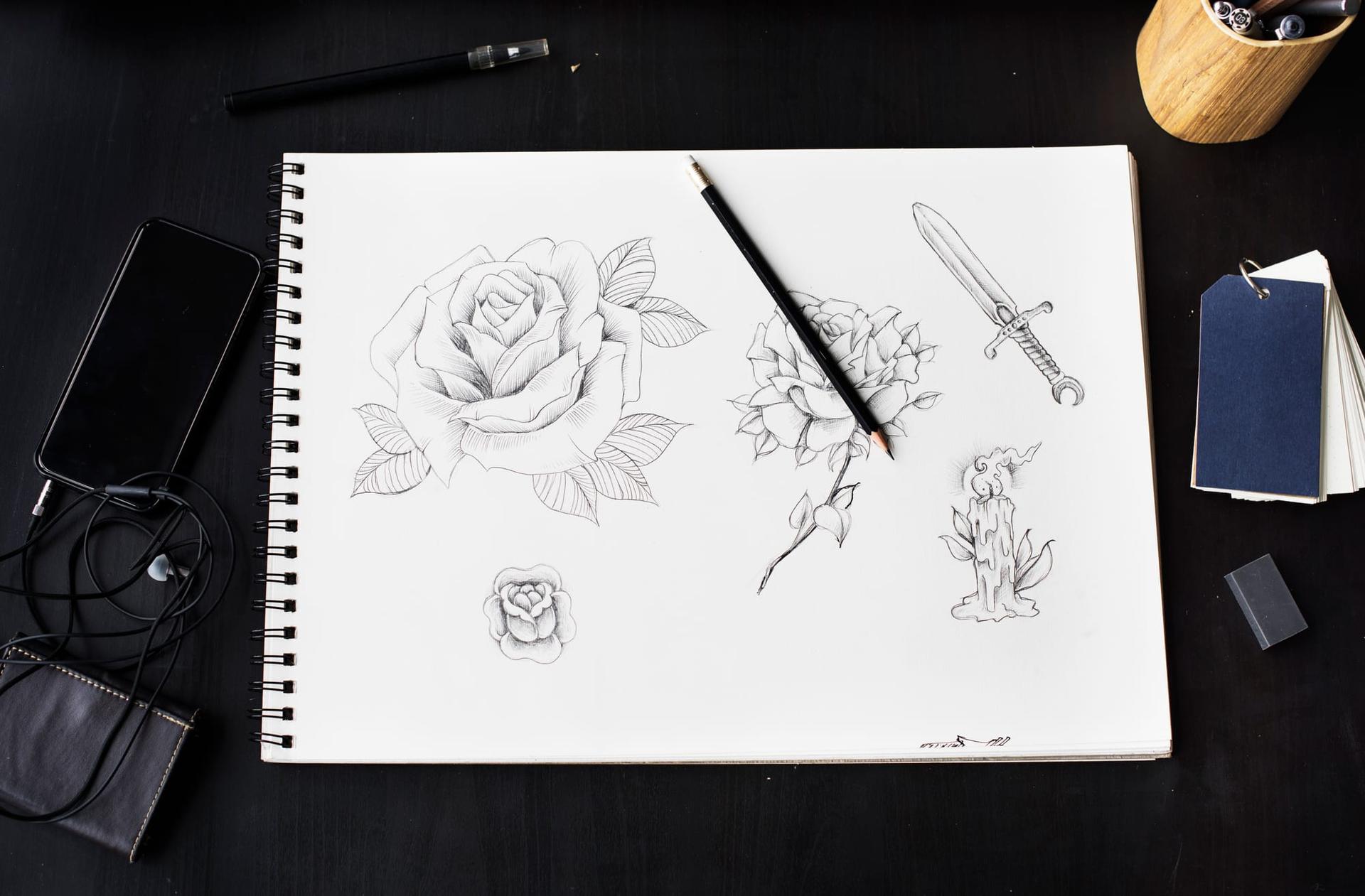
The family bouquet, one stem per person, is a popular way people combine them, and its design trap is obvious the moment you see it. Three round heads at the same height blur into one mass. Mix a spike, a round head and a nodding bell, stagger the heights, and every person stays legible. Ask your artist how the piece will age, too. Dense composite heads and hairline gaps are the parts that need the most thought at fine-line weights.
Why bring a real flower to your tattoo appointment?
Because copying another tattoo copies its mistakes. A photo of someone else's aster has already lost the florets, and a screenshot of that photo loses more. A fresh stem on the table shows an artist what a reference image flattens: how petals overlap and where they attach, how a leaf meets the stem, the way a heavy head tips forward under its own weight.
Availability is its own wrinkle, and the irony of birth flowers is that not all of them are easy to find during their own month. Larkspur, lily of the valley and sweet pea are brief and seasonal. Roses, carnations, gladiolus, chrysanthemums and asters are dependable most of the year through greenhouse growers and importers. You can see what's in the studio right now and work from whatever sits closest to your month.
They make a good gift around the appointment, too. A bouquet built on someone's own birth flower is a natural fit for a birthday delivery, and one sent just because lands well with a friend whose new line work has finally healed. Cindy's Flowers hand-ties them in our Toronto studio and delivers same-day across the GTA, Monday to Saturday, on orders placed before 3 PM.
One caution before you order flowers for anyone. If there is a cat in the house, keep true lilies (Lilium species) out of the arrangement entirely, since they are highly toxic to cats and can cause fatal kidney injury. May's lily of the valley is not a true lily, though it is toxic to cats as well, and July's water lily is a different plant again. The word "lily" travels much further than the family does.