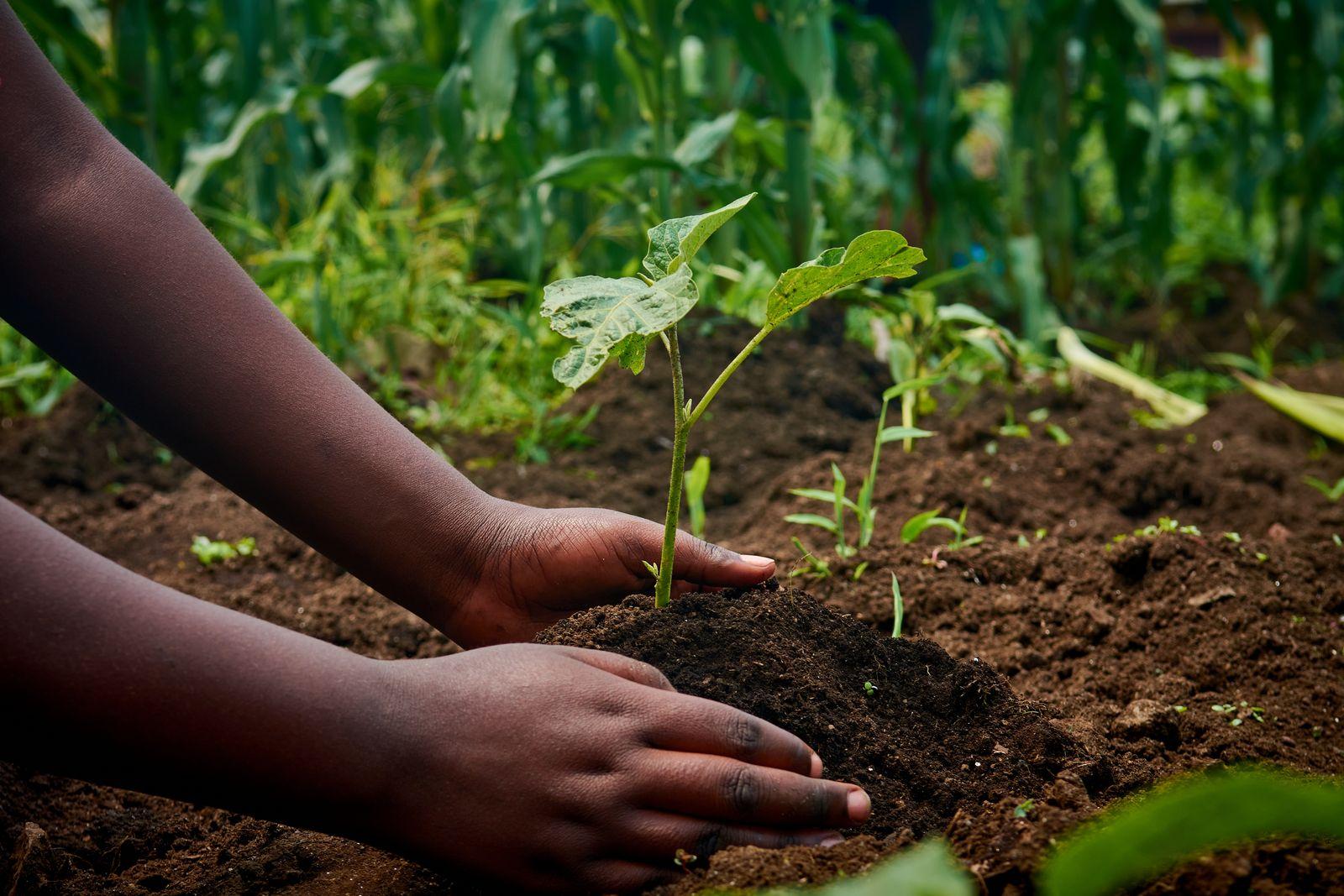
Gardening does measurable good for your health. A 2017 meta-analysis of 22 studies in Preventive Medicine Reports linked it to less depression and anxiety, lower body mass index and higher life satisfaction. In 2023, The Lancet Planetary Health published what the University of Colorado Boulder calls the first randomized controlled trial of community gardening. Over one growing season, the new gardeners' physical activity and fibre intake held up better than those of people left on the waiting list, and their stress and anxiety fell further.
How strong is the evidence behind the benefits of gardening?
Stronger than most wellness trends, and weaker than the headlines built on it. Soga, Gaston and Yamaura's 2017 meta-analysis in Preventive Medicine Reports pooled 22 case studies published after 2001, the largest share (9 of 22) from the United States, covering 76 comparisons, and found a significantly positive effect of gardening on health.
Reported outcomes included less depression and anxiety, lower body mass index, and more life satisfaction, quality of life and sense of community. The authors put it simply: "A regular dose of gardening can improve public health." They also found signs of publication bias, where positive results reach print more easily, and the effect stayed significant after they adjusted for it.
There's a catch: some studies compared existing gardeners with non-gardeners, and calmer, fitter people may simply be likelier to pick up a trowel. Much of the pooled evidence is therefore association, not proof of cause.
That's why the Colorado trial matters. Jill Litt of the University of Colorado Boulder and colleagues took 291 adults from community-garden waiting lists in Denver and Aurora, none of whom had gardened in the previous two years. They randomly gave 145 a plot, plus seeds, seedlings and an introductory course, and left 146 on the list. Random assignment rules out the self-selection clouding observational studies.
Which garden jobs count as real exercise?
The 2024 Adult Compendium of Physical Activities rates moderate-effort weeding at 4.5 METs and digging at 5.0, and moderate intensity conventionally runs from 3.0 to 5.9 METs. One MET is the energy you use sitting still, so steady weeding burns about four and a half times that.
The Compendium's lawn-and-garden entries:
- Digging, spading, filling the garden or composting: 5.0 METs, or 7.3 at vigorous effort
- Pushing a wheelbarrow or garden cart: 4.8 METs
- Weeding or cultivating, moderate effort: 4.5 METs
- Planting seedlings or shrubs while stooping, moderate effort: 4.3 METs
- Raking the lawn or leaves: 4.0 METs
- General gardening, moderate effort: 3.8 METs
- Light potting: 2.6 METs, below the moderate line
The World Health Organization's 2020 guidelines ask adults aged 18 to 64 for 150 to 300 minutes of moderate-intensity aerobic activity a week, or 75 to 150 minutes of vigorous activity, plus muscle-strengthening work on two or more days, and stress that some activity is better than none.
Calorie counts are slipperier. Harvard Health estimates that 30 minutes of general gardening burns about 135 calories for a 125-pound (57 kg) person, 162 at 155 pounds (70 kg) and 189 at 185 pounds (84 kg). Those figures work out to roughly 4.5 to 4.8 METs: brisker than the Compendium's 3.8 for general gardening at moderate effort, and nearer its rating for moderate weeding. Gardening with no effort level given, at 2.0 METs, burns less than half as much.
Where older gardeners land
A 2011 HortScience study looked at older adults specifically. Park, Lee and Son measured 15 gardening tasks in 20 Korean adults over 65, average age 67.3, using a portable calorimeter. Whole-body jobs such as digging, weeding, raking and tying plants to stakes came out moderate, at 3 to 4.5 METs. Upper-body jobs done standing or squatting, such as pruning, sowing, watering and harvesting, were light, at 1.7 to 2.9.
The WHO's guidelines for adults 65 and older keep the same weekly targets and add varied activity that emphasises balance and strength on three or more days a week, to help prevent falls. Raised beds, long-handled tools and other adaptations get their own treatment in our guide to gardening for seniors and people with disabilities.
The mental health benefits of gardening, and the social ones
Stress and anxiety show a promising but shorter-lived signal. In the Colorado trial, perceived stress and anxiety fell further among gardeners than among people still waiting between the spring and autumn checks, though the gap had faded by the winter follow-up, and the University of Colorado Boulder reported that people who started out the most stressed and anxious saw the biggest drops.
The 2017 meta-analysis points the same way, with reductions in depression and anxiety among its reported outcomes. Does that make a vegetable bed an antidepressant? No. It's a good habit that may help your mood, and anyone whose low mood has lasted for weeks should talk to a doctor rather than wait for the harvest. Don't stop or cut back a prescribed antidepressant without your doctor's advice, and if you have thoughts of harming yourself, contact emergency services or a crisis line right away.
A stronger sense of community was among the meta-analysis outcomes too, and Jill Litt said in the university's release: "It's not just about the fruits and vegetables. It's also about being in a natural space outdoors together with others."
For a renter without a garden, a community garden or allotment plot is the nearest match to what those Colorado volunteers got: soil, a season and neighbours.
Diet, activity and weight in the Colorado trial
The measured changes were modest, and they're easy to overstate. By autumn, the gardeners averaged 1.41 grams of fibre a day more than the waitlist group, about 7% more, and 5.8 more minutes a day of moderate-to-vigorous activity, roughly 40 minutes a week. Neither autumn gap was statistically significant on its own. What was significant was how the two groups changed across the season: the gardeners' fibre intake held about level and their activity edged up, while both fell in the waitlist group.
What the trial didn't find is just as useful. There was no significant effect on combined fruit and vegetable intake, Healthy Eating Index scores, sedentary time, body mass index or waist circumference.
The meta-analysis listed lower body mass index among its outcomes, which shows the limit of observational data: long-time gardeners may be leaner for other reasons.
How do you garden hard without getting hurt?
Treat it like any workout, with weather. Even the Colorado trial logged one allergic reaction in the garden among its 291 participants.
- Sun. Skin makes vitamin D in sunlight, but not all year: a classic 1988 study by Webb, Kline and Holick found that winter sun in Boston, at about 42°N, made no previtamin D3 in skin from November through February, and that this "vitamin D winter" lengthens farther from the equator. Summer sun also burns, so garden early or late, wear a wide-brimmed hat and use sunscreen.
- Heat. Work in the cool of the morning, drink water and rest in shade. Headache, nausea, dizziness, weakness and heavy sweating are among the US CDC's signs of heat exhaustion. Stop, move somewhere cool and sip water, and get medical help right away if you vomit, or symptoms worsen or last over an hour. A very high body temperature with confusion, slurred speech or unconsciousness points to heat stroke, a medical emergency: call emergency services (911 in North America, 999 in the UK, 112 in the EU), then cool the person's skin with shade, water and wet cloths, but give them nothing to drink.
- Lifting. Bend your knees, keep the load close and split heavy bags of soil into smaller loads. Let the wheelbarrow carry the weight.
- Tetanus. The US CDC says spores of the tetanus bacterium are common in soil, dust and manure, and recommends an adult booster every 10 years, or after a deep or dirty wound if five or more years have passed since the last dose. Schedules differ by country (the UK's NHS, for example, counts five doses as full protection), so check your record with a doctor or pharmacist, and get a deep or dirty wound seen promptly if you're unsure.
- Gloves and stings. Gloves guard against thorns, blisters and irritating sap. Mayo Clinic says a small share of people stung by a bee or other insect develop anaphylaxis, usually within an hour, with signs such as trouble breathing, a swollen tongue or a tight chest, and advises calling emergency services even if only one or two appear. Anyone with a prescribed epinephrine autoinjector should inject first, then call. Call for anyone showing those signs, known allergy or not.
When the garden is out of reach
Some seasons you can't garden at all: after surgery, in a flat, or through a hard winter. None of the studies above tested houseplants, but if you want something alive to tend indoors, an easy-care houseplant such as a Phalaenopsis (moth) orchid suits the job. Missouri Botanical Garden says its blooms last 2 to 6 months, and the ASPCA lists it as non-toxic to dogs, cats and horses. Our post on how long orchids bloom explains how to coax one into flowering again.
After a knee or hip operation, use the time to plan the way back in with the adaptations in the seniors guide above, and let your surgeon or physiotherapist say when kneeling, lifting and digging are safe again.
For anyone already planning next year's beds, our bee-friendly garden guide explains how to plant for bees.