The best bee-friendly plants are single, open flowers that bloom in relay from early spring until frost, ideally natives of your region. Across much of northern and eastern North America, for example, that relay can run from pussy willow and serviceberry, through wild bergamot in midsummer, to goldenrod and New England aster before frost. Pair the flowers with bare soil and a few standing hollow stems, since most wild bees nest there rather than in a hive.
Which bees are you actually feeding?
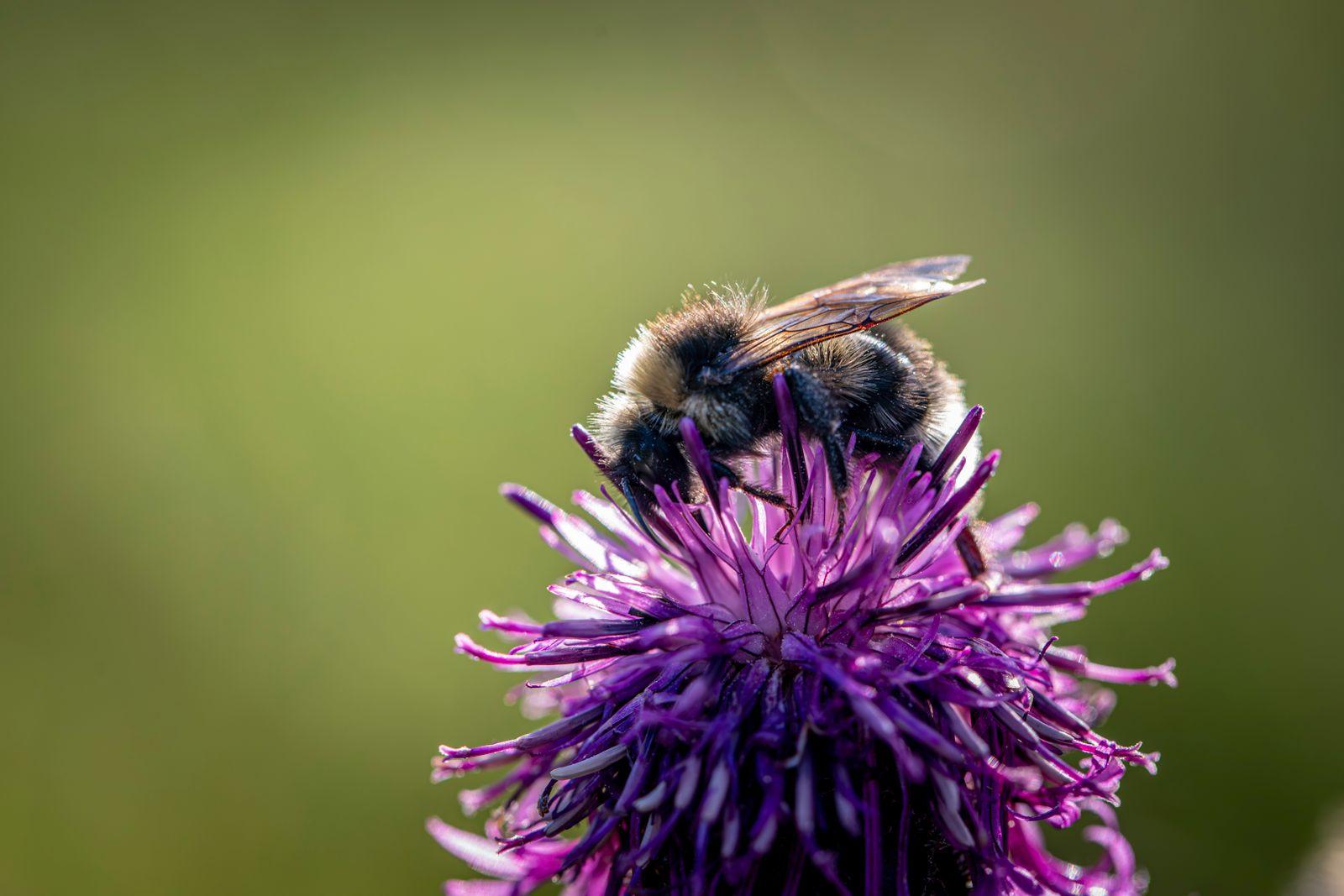
Mostly wild bees, not honey bees. The US Geological Survey counts more than 20,000 known bee species worldwide, about 4,000 of them native to the United States. More than 90% of North America's species live solitary lives, the Xerces Society notes, each female building and stocking her own nest. Many look nothing like a cartoon bee; the USDA Forest Service's Bee Basics guide describes bright green sweat bees across North America.
The western honey bee (Apis mellifera) is one species among them, native to Europe, Africa and parts of Asia and carried to North America in the 1620s, according to Xerces. The society is blunt: "Beekeeping is not bee conservation." A single hive can hold tens of thousands of bees competing with wild bees for nectar and pollen, and honey bees can pass diseases such as deformed wing virus to bumble bees.
What are the best bee-friendly plants for each season?
The best bee-friendly plants keep something open every week from early spring to frost, because different bees fly at different times. The USDA Forest Service recommends a wide variety of plants that bloom from early spring into late fall, planted in clumps rather than singly so bees can find them, and including natives, which suit the local climate, soil and pollinators.
Keep the relay going late: only newly mated bumble bee queens survive the winter, so they need a last good feed.
"Native" below means native to much of northern and eastern North America. Elsewhere, work from a regional list; in the UK, for example, the Royal Horticultural Society publishes Plants for Pollinators lists. Check any non-native pick against your regional invasive-species list.
Early spring
- Pussy willow (Salix discolor): a native shrub whose catkins are among the year's first flowers. Plants are male or female; the University of Wisconsin–Milwaukee Field Station notes that the fuzzy male catkins give a little nectar and a lot of pollen, while female catkins supply nectar. Only male plants give pollen.
- Serviceberry (Amelanchier): small trees and shrubs, with species native across much of North America, that flower white in early spring.
Early summer
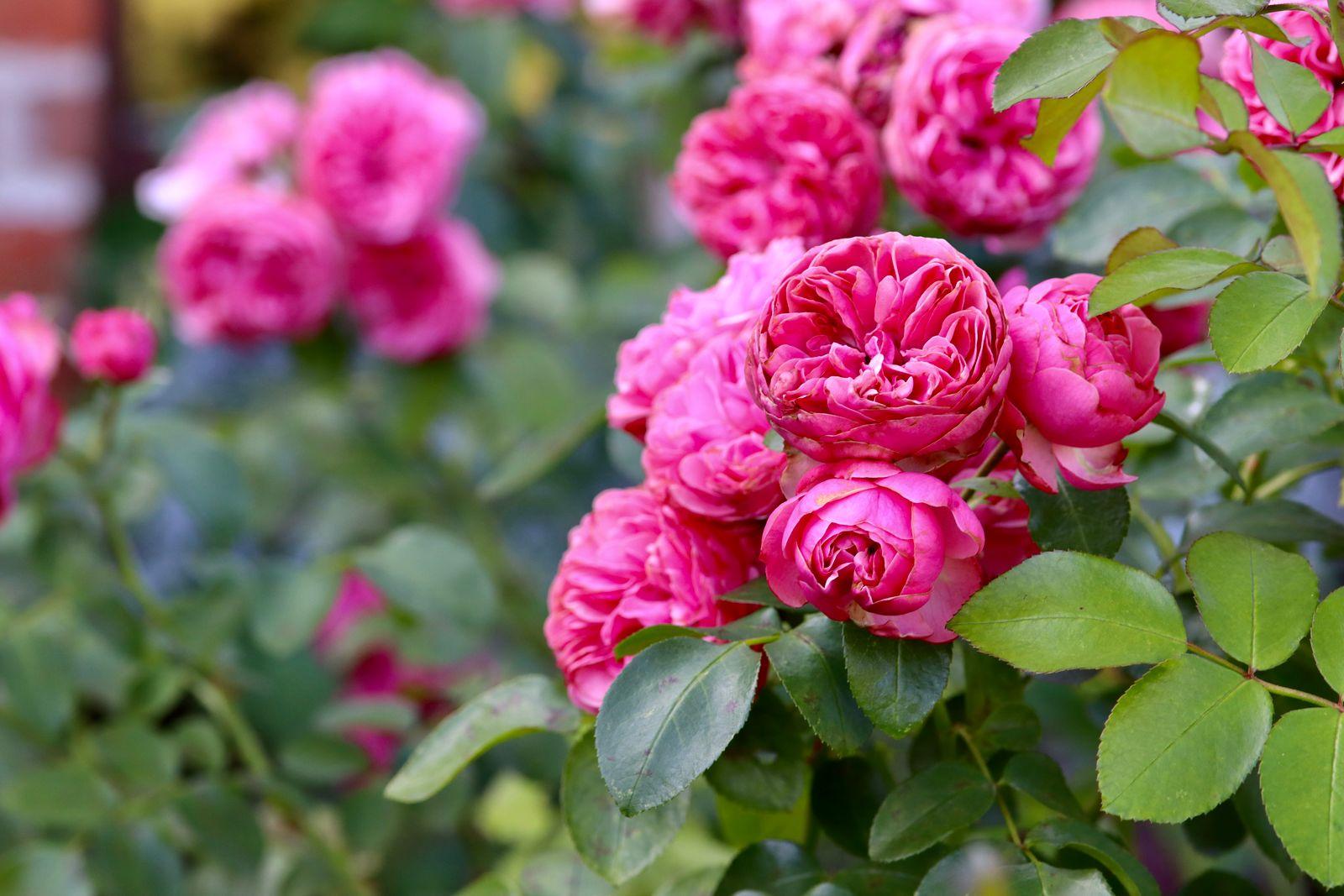
- Single-flowered roses: the open kinds with a visible centre. The ASPCA lists roses as non-toxic to dogs, cats and horses.
- English lavender (Lavandula angustifolia): bumble bees mob it, but the ASPCA lists it as toxic to dogs, cats and horses, so skip it where animals roam.
Midsummer
- Wild bergamot (Monarda fistulosa): a native with shaggy lavender-pink heads that bumble bees work all day.
- Sunflowers (Helianthus annuus): big landing pads, if you plant a pollen-bearing variety (see below). The ASPCA's expert guide names sunflowers non-toxic to pets.
- Snapdragons (Antirrhinum majus): the closed flower only opens under a bee heavy enough to push it apart, usually a bumble bee. The ASPCA lists them as non-toxic to dogs, cats and horses.
Late summer into fall
- Goldenrod (Solidago): native, and not what's making you sneeze. Illinois Extension explains that its insect-carried pollen is too heavy to travel on the wind; the allergy culprit is ragweed.
- New England aster (Symphyotrichum novae-angliae): native, violet-purple, and one of the last big meals before frost. The same guide names asters (Symphyotrichum) non-toxic to pets; the ASPCA's plant database has no entry for this species.
The ASPCA does not list pussy willow, serviceberry, wild bergamot or goldenrod, so treat their pet safety as unverified if a dog, cat or horse shares the yard; Colorado State University's poisonous-plants database also records Saskatoon serviceberry (Amelanchier alnifolia) poisoning livestock. Two look-alikes on the ASPCA's lists are different plants: its "bergamot" is bergamot orange, a toxic citrus, and its "rayless goldenrod" (Haplopappus) is toxic to horses.
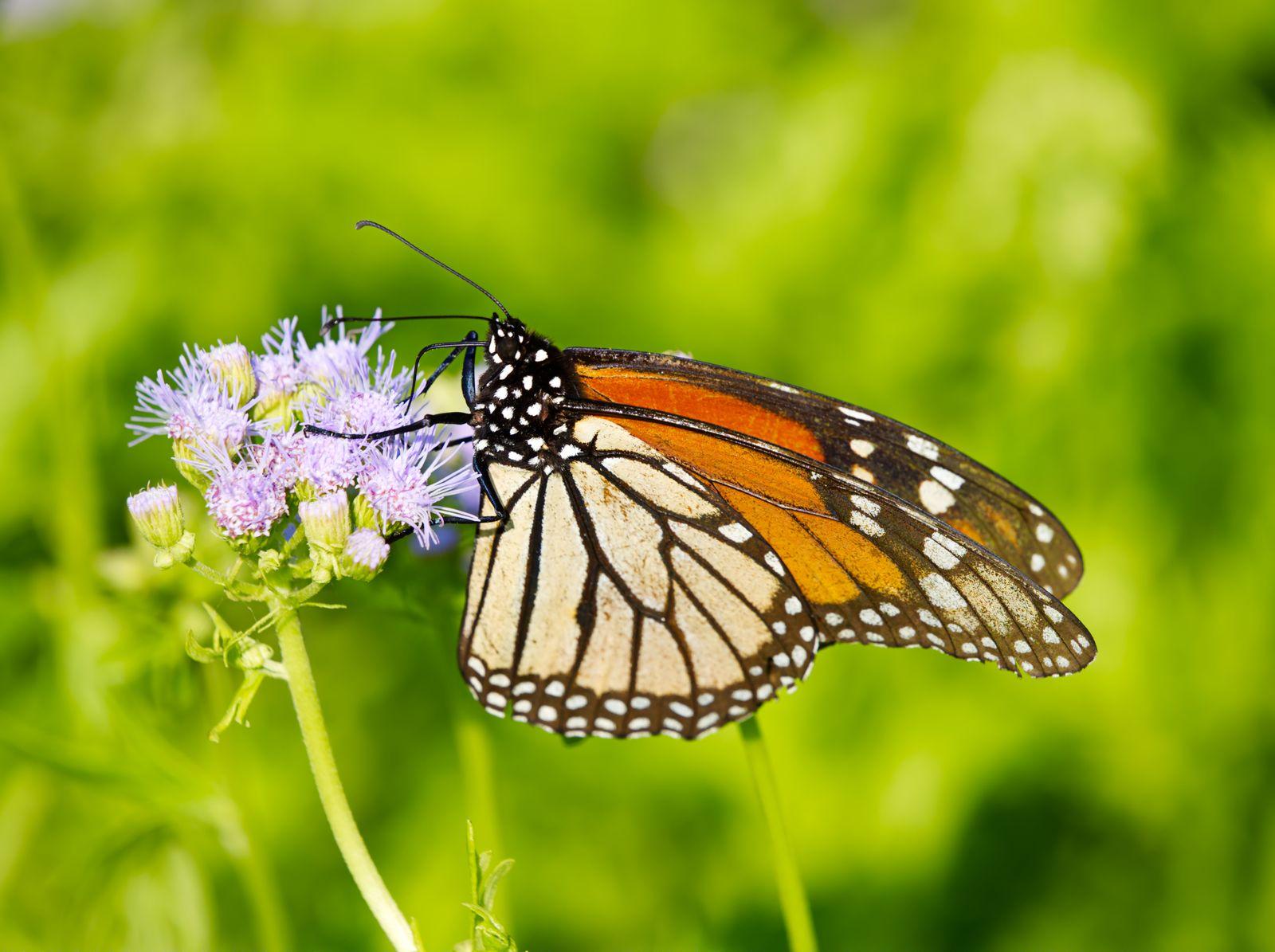
Monarchs and milkweed, a North American pairing, get their own butterfly garden guide; the ASPCA lists milkweed as toxic to dogs, cats and horses.
Which flower shapes and colours do bees go for?
Bees favour flowers they can both see and get into. The USDA Forest Service describes typical bee flowers as blue, yellow or a mix of the two, and notes that bees cannot see red. They do see ultraviolet, and many petals carry ultraviolet nectar guides that steer a bee to the centre.
The same agency advises avoiding modern hybrids, especially doubled flowers, because breeders have often left out the pollen, nectar and scent. In many doubles the extra petals are stamens turned into petals, leaving less pollen and a wall of ruffles between the bee and any nectar. A tightly doubled hybrid tea rose offers a bee very little; the open single rose on a fence is the one they visit.
Many sunflowers grown for cutting are pollenless hybrids, bred so they don't dust a tablecloth yellow. A grower's guide from Johnny's Selected Seeds notes that pollenless sunflowers still carry abundant nectar and still attract bees. Bees also gather pollen for their young, though, so for a bee garden pick a pollen-bearing variety. For the flower's meaning, see our sunflower guide.
Where wild bees nest, and why tidy yards evict them
About 70% of native bees nest in the ground and about 30% in cavities such as hollow stems, dead wood and brush piles, according to the Xerces Society. Bumble bees mostly nest underground too, often in old rodent burrows. So the most bee-friendly feature in many yards isn't a plant at all: it's bare, undisturbed soil and a stand of last year's stems.
For ground nesters, Xerces advises leaving some bare earth, going easy on thick bark mulch (compost does a similar job and still lets bees dig) and tilling less, because tilling can kill them.
For stem nesters, do less in fall and wait in spring:
- Leave last year's hollow and pithy stems standing through winter. If you must tidy early, Illinois Extension suggests cutting stems no shorter than 38 cm (15 in) and leaving them in place.
- Hold off on spring clean-up. There is no single date: Illinois Extension suggests waiting until overnight temperatures stay above 10 °C (50 °F), while Xerces, writing for the eastern United States, suggests waiting at least until apple trees have finished blooming, adding that the longer you tolerate a messy garden, the better.
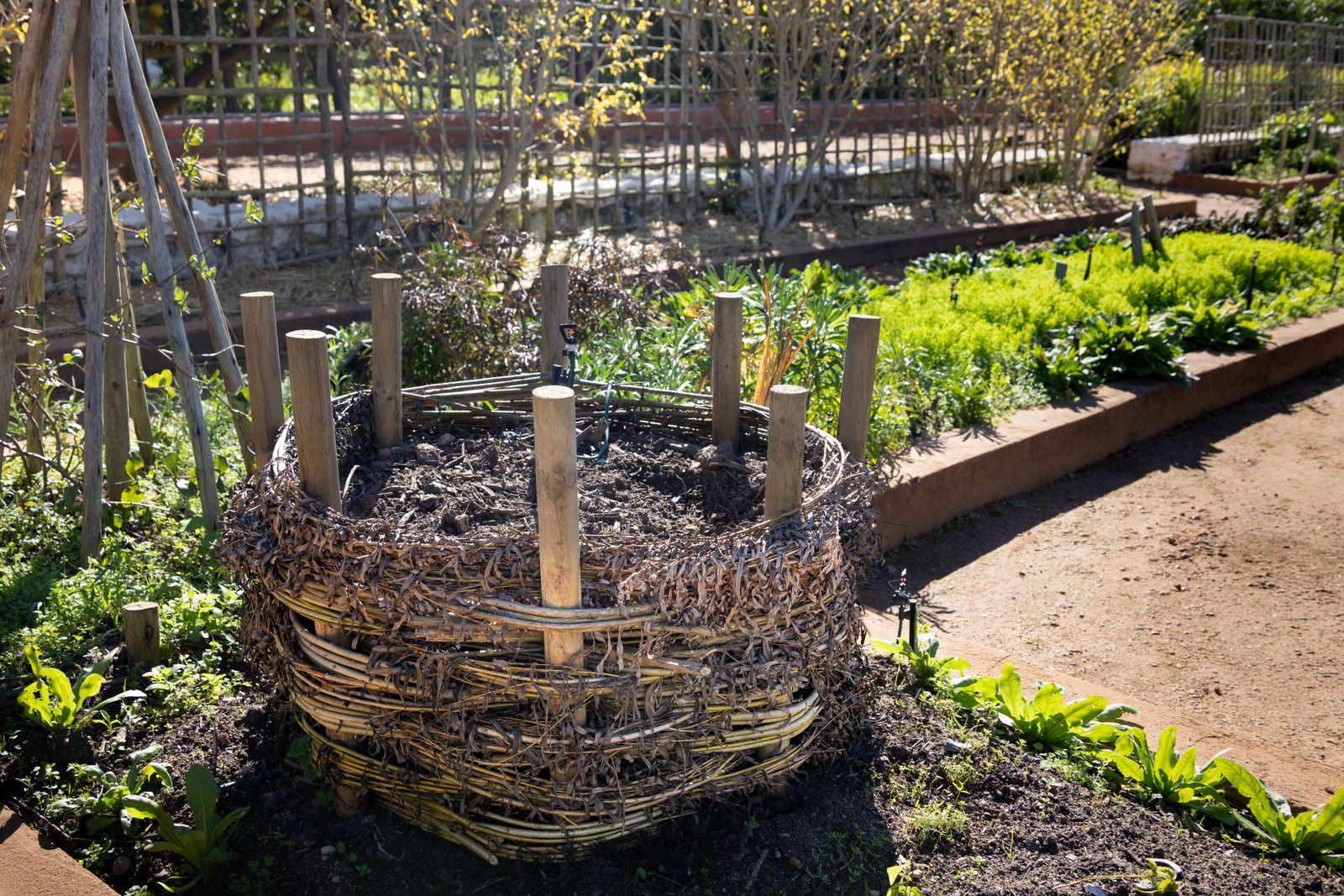
- Don't bin the debris straight away. Illinois Extension suggests stacking it loosely, because a dense pile can trap insects, then composting it once they're active.
A bee hotel can only serve the cavity nesters, about three in ten by Xerces' count, and needs careful upkeep to limit disease and mites; standing stems and dead wood do that job for free.
What should you keep out of a bee garden?
Insecticides, first. One rule holds everywhere: spray nothing on open flowers. If a pest truly needs treatment, the USDA Forest Service advises the least-toxic product, a careful read of the label and spraying at night when bees aren't flying. Pesticide rules vary by country, region and town, so check yours; our eco-friendly gardening guide covers lower-impact pest control.
Watch nursery plants too. The Xerces Society warns that many nursery plants, even natives, are pre-treated with pesticides, and that systemic insecticides such as neonicotinoids are absorbed into the plant and can end up in its pollen and nectar. Ask whether a plant was treated before you buy it.
Plants that can hurt people or pets
Foxglove is the classic case: a cottage-garden bumble bee favourite that's poisonous in every part. The ASPCA lists it as toxic to dogs, cats and horses, and it's dangerous to people too, so leave it out anywhere children or animals play.
Stings and allergies
Only female bees have stingers, and the USDA Forest Service says most of North America's native bees rarely sting gardeners; when they do, the sting tends to be mild. Honey bees sting to defend their colony wherever they live, and Africanized honey bees in the Americas are far more defensive, so leave any hive or wild colony alone and call a professional rather than removing one yourself. Bumble bees are generally docile but will defend a nest, Xerces notes. Leaving one alone is best; if you must fence it off from children and pets, build the barrier at night or very early in the morning, when bees are least active, in long sleeves, trousers and gloves, and not if you have a known sting allergy.
Still, treat any sign of a severe allergic reaction (anaphylaxis) as an emergency, known allergy or not. Mayo Clinic lists the signs as rash, itching, trouble breathing, a swollen tongue, trouble swallowing and tightness in the chest. Call emergency services (911 in North America, 999 in the UK, 112 in the EU, or your local number) even if only one or two appear, and for multiple stings in a child, an older adult or anyone with heart or breathing problems. If an epinephrine auto-injector has been prescribed, use it first, then call, and see a doctor afterwards about prevention.
Patience, and plants passed along
Perennials, gardeners say, sleep the first year, creep the second and leap the third, so give a new bee bed time. Neighbours help: shared divisions and seedlings give a street's bees more than any single garden can.