Alstroemeria is the Peruvian lily, also sold as lily of the Incas: a South American flower that borrows the lily name without belonging to the lily family. By modern florist convention it means friendship, devotion and mutual support. Cut, it lasts about two weeks in a vase, because each stem holds several flowers that open one after another. The ASPCA files it as non-toxic to cats, dogs and horses, and the FDA says a large amount can cause mild stomach upset, not the kidney failure that true lilies and daylilies cause in cats.
So florists reach for it when someone wants the lily look near a cat. Cindy's Flowers hand-ties bouquets in its Toronto studio and delivers same-day across Toronto and the GTA on orders placed before 3 PM, but for a home with a cat or dog, its pick is a potted moth orchid.
What exactly is a Peruvian lily?
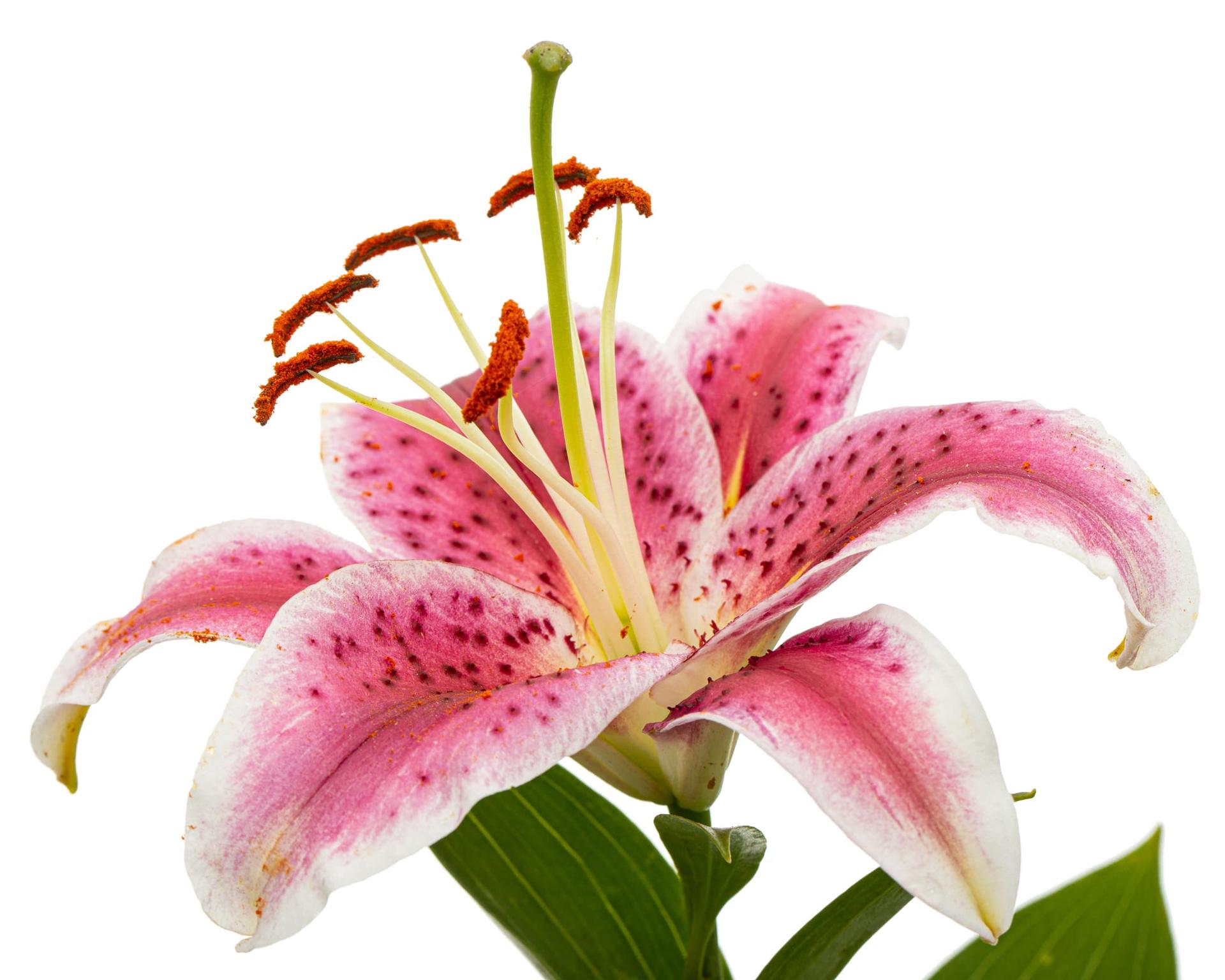
A Peruvian lily is any plant in the genus Alstroemeria, family Alstroemeriaceae, and every species in it is native to South America, with two centres of diversity: central Chile and southern Argentina, and eastern Brazil. True lilies are Lilium, family Liliaceae. Under the Angiosperm Phylogeny Group classification botanists use for flowering plants, the two families share one order, Liliales. Cousins, then, not siblings.
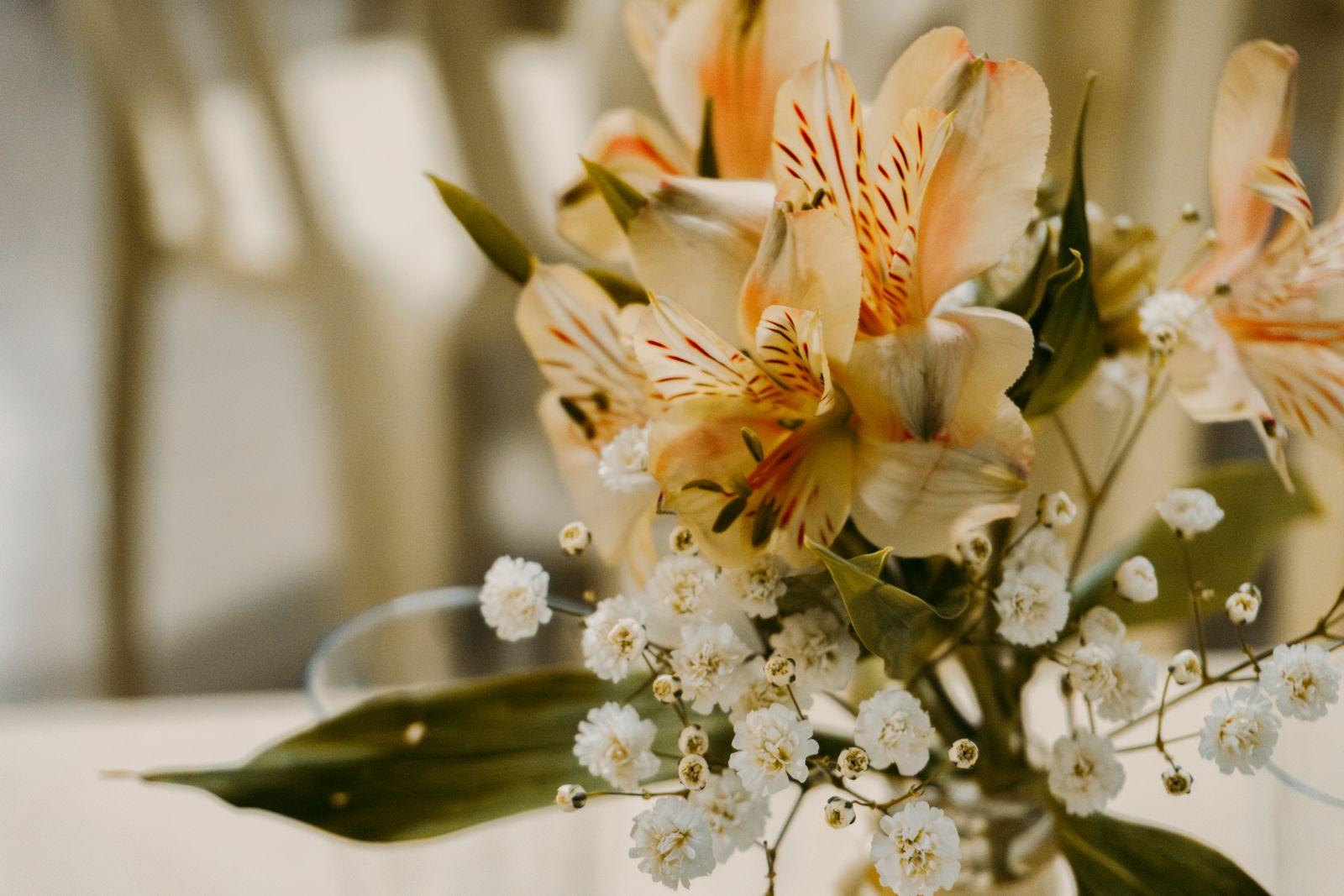
Up close, alstroemeria has its own tells. Each flower has six tepals (petals and sepals that look alike), up to 5 cm long and often flecked or streaked with a darker colour, around six curving stamens. Then turn the stem over: the leaves twist on their stalks so the undersides face up, a habit botanists call resupinate. It's one of the quickest ways to pick alstroemeria out of a mixed bunch.
The genus is named after Clas Alströmer (1736-1794), a Swedish baron who studied under Linnaeus at Uppsala and became his friend. It was described in a 1762 dissertation, Planta Alströmeria.
The wild species keep to their seasons: the Chilean ones grow through winter, the Brazilian ones through summer. Crossing the two produced the hybrids florists buy, which overcame that seasonal dormancy and flower for most of the year. There are at least 190 cultivars, and most breeding now happens at companies in the Netherlands. Those hybrids are how a freckled South American flower turns up in a Toronto bouquet in November, when Ontario gardens have mostly finished.
Plenty of flowers carry "lily" in a common name without being one. Our guide to lily meaning and symbolism sorts out the calla (toxic to cats and dogs, per the ASPCA), the daylily (as dangerous to cats as any true lily) and the rest of the borrowed names.
What does alstroemeria mean?
By modern florist convention, alstroemeria means friendship, devotion and mutual support. Kate Greenaway's Language of Flowers, the 1884 dictionary most guides to Victorian flower meanings lean on, has no entry for alstroemeria, so any "Victorian meaning" quoted for it didn't come from her.
Some florists tie the friendship reading to those twisted leaves: a leaf that turns itself upside down and keeps growing makes a tidy metaphor for a friendship that survives a few turns. The twist is real botany. The moral is a modern gloss, and I'd present it that way on a card. The name helps, too, since the genus honours a friend of Linnaeus.
Colour-by-colour charts for alstroemeria do circulate, but they disagree from one shop to the next, and I haven't found one with an older source behind it. Pick the colour for the person, not the chart.
Friendship is also why it suits a thank-you better than a romance. Sending thank-you flowers to the neighbour who signed for your parcels all autumn, or the colleague who quietly covered a shift? A flower that reads as mutual support says enough without overdoing it.
Why does alstroemeria last two weeks in a vase?
The Missouri Botanical Garden puts the flowers' vase life at two weeks, and the Royal Horticultural Society calls alstroemerias particularly long-lived cut flowers that stay fresh for "a couple of weeks". From the workbench, the reason looks like architecture: each stem carries a cluster of flowers that open in turn, never all together.
So while the first flower fades, the next is only getting going, and pinching out the spent one leaves a head that still looks fresh. The Missouri Botanical Garden also lists the traits that made the hybrids such popular commercial cut flowers: profuse flowering and stiff stems that look good in a vase. That's the exact shopping list of anyone growing for florists.
That puts alstroemeria near the top of the vase-life table, a step behind the few stems that can reach three weeks. Our rundown of the longest-lasting cut flowers sets it against carnations, anthurium and mums, all three of which the ASPCA lists as toxic to cats, dogs and horses.
A two-week flower also changes how you read a bouquet on day four. The roses may be at their peak; the alstroemeria beside them is nowhere near halfway.
Three habits that keep the stems going
Reaching the RHS's couple of weeks mostly comes down to the basics, fresh cuts and clean water, which our mixed-bouquet care guide walks through. Three further habits are particular to alstroemeria:
- Strip the leaves early. In my experience the foliage yellows well before the flowers are finished, and a stem of tired leaves makes fresh blooms look old. Take off everything below the waterline and thin the rest as it turns.
- Pinch out spent flowers one at a time. Each faded flower sits on its own short stalk within the cluster. Snap it off where it joins and the buds around it have room to open. Don't bin a whole stem because one flower has gone over.
- Start with stems at the right stage. When buying loose stems, look for one or two flowers open and buds already showing colour. Tight green buds open slowly if they open at all.
If your fingertips react to the stems, strip and pinch in nitrile gloves; the plant's allergen passes straight through vinyl.
One Toronto note: once the heating comes on for the season, keep the vase off the radiator sill. Somewhere cool and out of direct sun buys days.
Why is alstroemeria the swap for lilies in a home with cats?
Because the ASPCA files Peruvian lily under "Plants Non-Toxic to Cats", and on its dog and horse lists as well, while true lilies and daylilies can cause fatal kidney failure in cats. Alstroemeria offers a similar six-tepalled, freckled flower without that kidney risk, so it's what florists suggest when someone asks for lilies and there's a cat at home.
The lily half of that is covered in our guide to lilies and cats. The short version: the FDA counts the pollen, leaves and even the vase water as toxic, so true lilies and daylilies shouldn't come into a cat's home at all.
You'll see alstroemeria called "mildly toxic" online. That grading isn't the ASPCA's, because the ASPCA doesn't grade severity: a plant is toxic or non-toxic. The fair caution comes from two other authorities:
- The FDA: "The Peruvian lily contains a toxin that causes mild stomach upset (vomiting and diarrhea) if a cat or dog ingests a large amount. The signs usually go away on their own."
- Pet Poison Helpline says it contains tulipalin A, which may cause stomach problems if eaten in large amounts, and flags it as likelier than others on its list of lily alternatives to cause drooling, vomiting or diarrhea, though not severe poisoning.
So which is right? Both, at once. Both sources are clear that it doesn't cause kidney failure in cats, so it's non-toxic in the ASPCA's sense and still able to upset a stomach if a cat makes a meal of it.
What alstroemeria's record doesn't prove is that "not a true lily" means safe. Lily of the valley and gloriosa lily aren't true lilies either, and the FDA names both as very dangerous to cats and dogs. Alstroemeria is cleared on its own listing, not its family tree.
The swap also works flower by flower, not bouquet by bouquet. A mixed bouquet, ours included, carries other flowers and greenery, often including stems on the ASPCA's toxic list, and its make-up shifts with the market. So for a home with a cat or dog, Cindy's Flowers recommends a potted white moth orchid or pink moth orchid instead. The ASPCA lists Phalaenopsis as non-toxic to cats and dogs, and a potted orchid comes without the mix of cut stems a bouquet carries.
Where alstroemeria earns its place in a bouquet
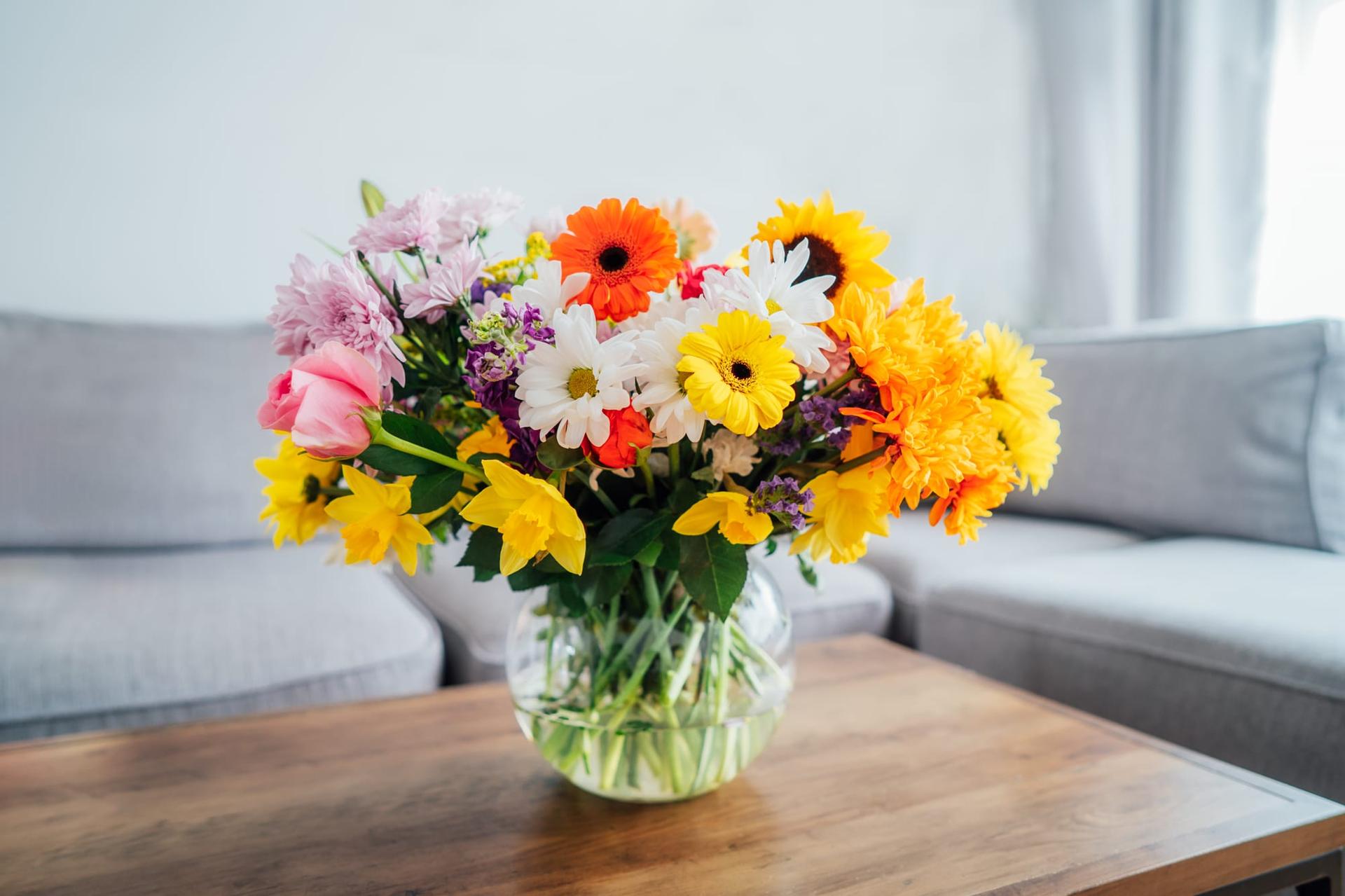
In red, orange, yellow, green, purple, pink and white, alstroemeria is the florist's go-between: smaller than a rose, tougher than most stems around it, and in most colours a design calls for. It rarely takes the lead. It fills the gaps between the focal flowers, and it's often the last thing standing.
That's its job in a mixed bouquet: the bigger blooms make the first impression, and the alstroemeria carries the second week. My favourite use is the plainest one, alstroemeria with roses in the same colour family, so the bouquet reads as one idea rather than a sampler. Every bouquet from Cindy's Flowers is hand-tied in the Toronto studio.
A flower that stands for friendship, outlasts the occasion and keeps going through a Toronto November is a lot to get from a stem most people never learn the name of.