Sustainable gardening comes down to a few habits that hold almost anywhere: grow native plants and pull out invasive ones, keep rainwater in the yard, let leaves and compost feed the soil, and treat pests with the least-toxic option only when they become a real problem. Rules on pesticides, compost and yard waste vary, so each section notes what to check locally.
How do you control garden pests without harming pollinators?
Start with integrated pest management (IPM) rather than a spray. The University of California's IPM program defines it as an ecosystem-based strategy aimed at long-term prevention, in which pesticides are used only after monitoring shows they're needed. At home, that means healthy soil, regular checks under the leaves and hand-picking before any spray.
Least-toxic products such as insecticidal soap are still pesticides, so read the whole label; University of Minnesota Extension calls it a legal document. It also advises never applying pesticides to flowers in bloom, spot-treating only where pests are active, and spraying at dusk, when fewer bees are flying. Bacillus thuringiensis kurstaki (Btk) controls the caterpillars of moths and butterflies alike, so aim it only at the problem plant. And allowed doesn't mean harmless to pets: the ASPCA, a US animal-welfare charity, advises keeping pets off areas treated with liquid products until they dry.
Many jurisdictions restrict cosmetic or lawn pesticides: Ontario, in Canada, banned cosmetic use on lawns and gardens in 2009, and France limited home gardeners to biocontrol, low-risk and organic-approved products from 2019. Check what applies where you live, and take leftovers to a household hazardous waste drop-off, never down a drain.
Slug bait is where pets get hurt
The Merck Veterinary Manual says metaldehyde is the active ingredient in more than 80% of slug and snail baits worldwide, and that poisoning most often affects dogs and cats, with seizures and tremors among the most common signs. Iron phosphate baits are much less toxic to dogs, according to the US National Pesticide Information Center, though baits sold as "pet safe" can still be toxic. Scatter bait thinly, never in piles or lines, and store the box out of reach. The ASPCA warns that some slug and snail baits can cause tremors, seizures and even death, and Merck notes that some countries, including the UK, have banned outdoor use of metaldehyde pellets.
Should you rake up fallen leaves in autumn?
Move them rather than remove them. The Xerces Society's Leave the Leaves guidance points out that most butterflies and moths don't migrate; they overwinter as eggs, caterpillars, chrysalises or adults, sheltering in leaf litter. Xerces says a thin layer is healthy for grass and suggests raking the rest into beds and around trees, where leaves suppress weeds and hold moisture. A thick mat left on turf, University of Illinois Extension notes, can smother the grass.
Keep them whole. Xerces advises against shredding, since chopped leaves give less cover and a mower can destroy the eggs, caterpillars and cocoons inside. Our butterfly garden guide follows those insects through the rest of the year.
Keep leaf layers off paths, lawn edges and play areas, though. To reduce ticks in a yard, the US CDC advises removing leaf litter, placing a wood-chip or gravel barrier about 1 m (3 ft) wide between lawns and woods, and keeping play equipment and patios away from grassy, brushy or wooded areas, where ticks live.
Don't blow leaves into the street, where they clog storm drains, and check local yard-waste rules before bagging them.
What goes in a home compost bin, and what stays out
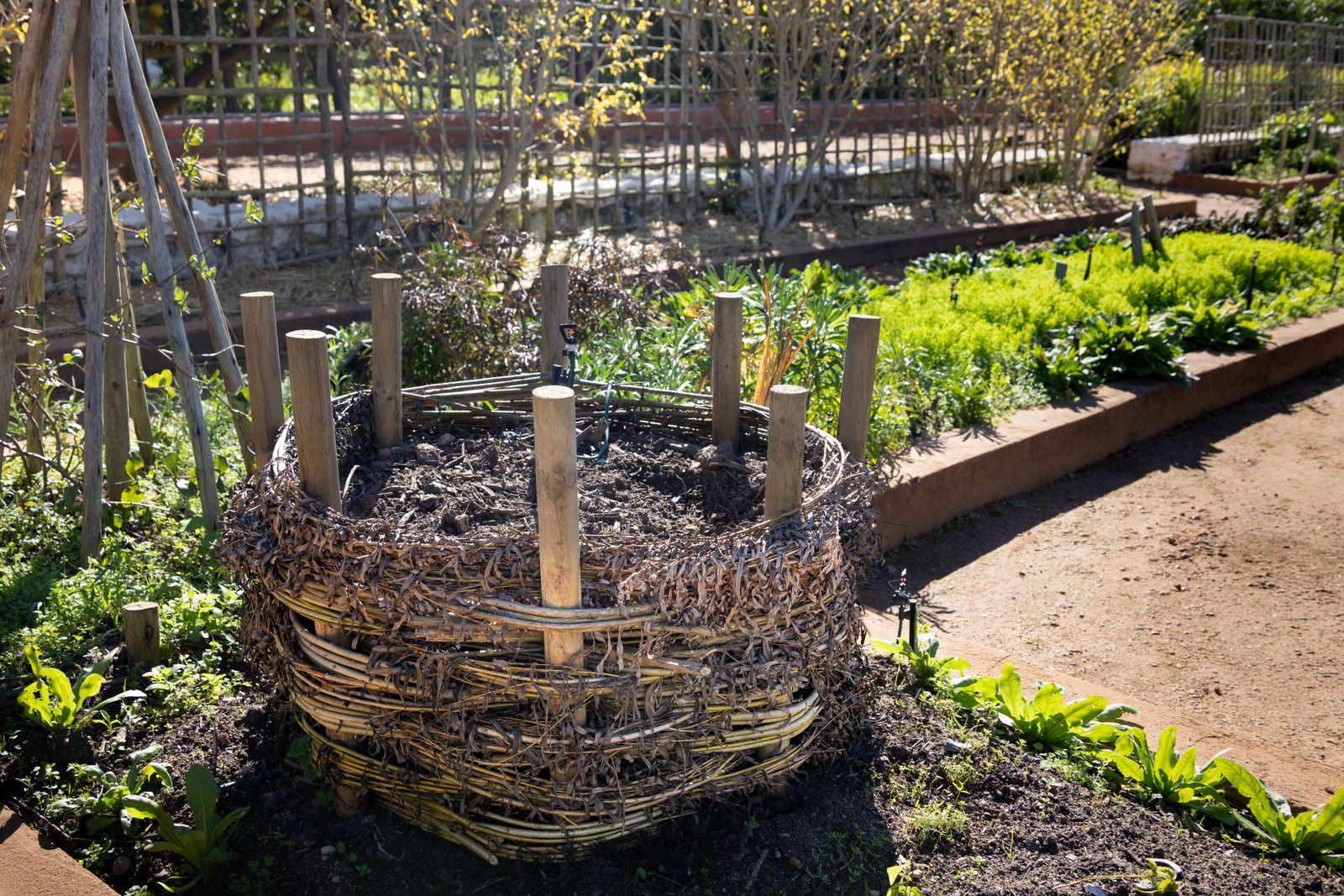
A backyard bin turns trimmings and kitchen scraps into free soil conditioner. The US EPA suggests at least two to three times as much "browns" (dry leaves, twigs) as "greens" (fruit and vegetable scraps, grass clippings) by volume. Its keep-out list includes meat, fish, dairy, fats, pet waste, diseased or herbicide-treated plants and weeds with seeds.
When a bouquet is spent, strip off the band, ties and wrap, and pull out any floral foam, which isn't compostable. It's a plastic (see the floral-foam question below), so it goes in the garbage, never down the sink.
Curbside organics rules vary, so check what yours accepts.
Finished compost, leaf mould or composted bark can also replace peat. According to the UN Environment Programme, peatlands cover about 3% of the world's land yet store twice as much carbon as all the world's forests, and the Royal Horticultural Society's advice is to keep "peat in bogs – not bags".
Keep pets, dogs especially, out of the bin. The ASPCA warns that fungal mycotoxins can form in compost, causing tremors and seizures, and says dogs should never have access to composting material. Fertilizer is similar: bone meal, blood meal, bat guano and manures appeal to dogs, the ASPCA notes, and eating fertilizer can cause vomiting, weakness and tremors, so fence off fertilized beds and lock the bags away.
Eco-friendly lawn swaps: native plants, groundcovers and clover
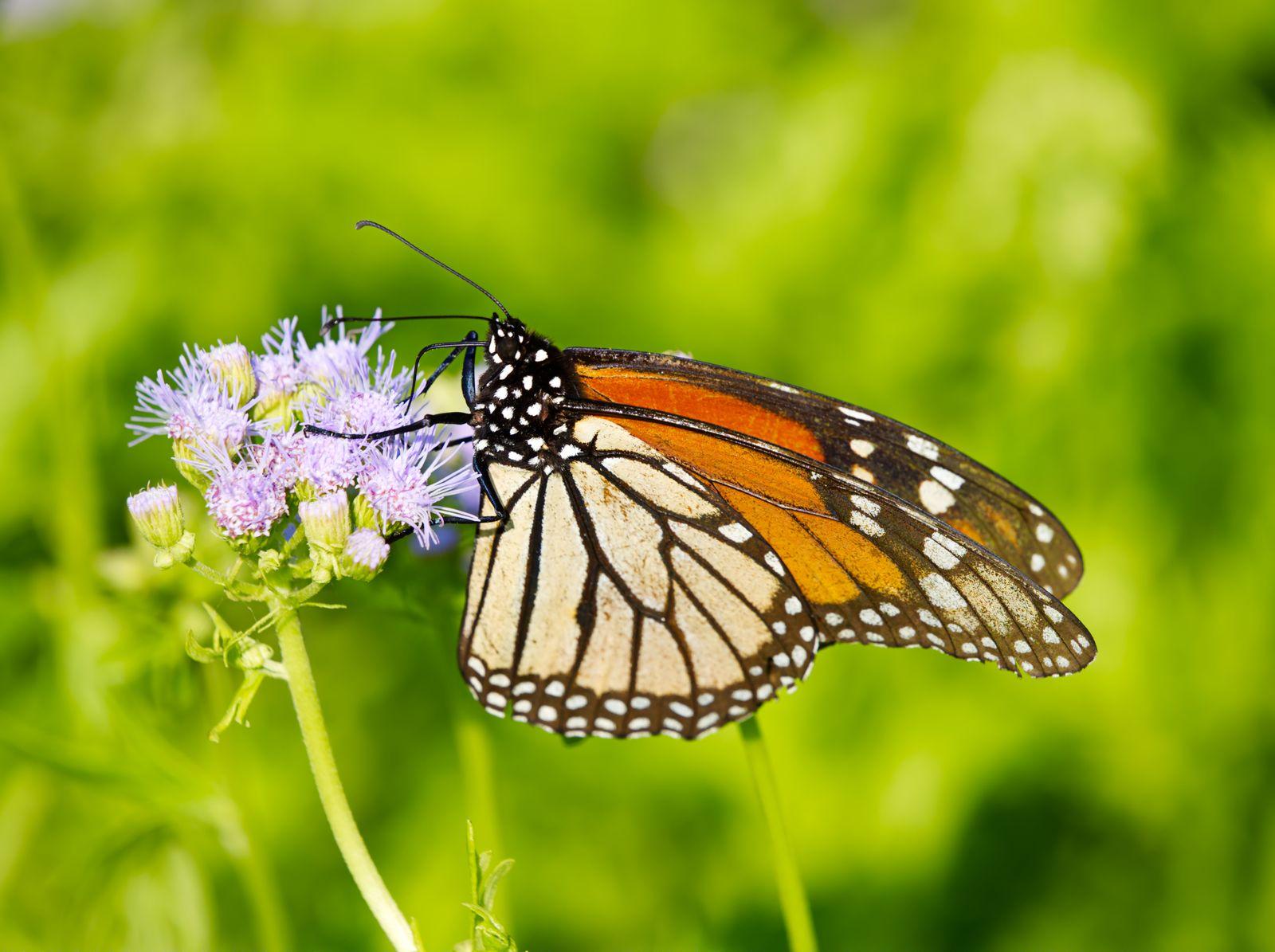
Native plants feed more of the local food web than imported ornamentals, because many insects eat only a few host plants. The USDA Forest Service notes that monarch caterpillars (North America) feed only on milkweed, which the ASPCA lists as toxic to dogs, cats and horses, and the US-based National Audubon Society cites entomologist Doug Tallamy's research showing that native US oaks support over 500 caterpillar species, while ginkgos, planted there from Asia, host only 5. The ASPCA lists oak as toxic to horses and has no dog or cat entry, and the Merck Veterinary Manual reports kidney and liver damage and intestinal blockage in dogs that eat acorns, so keep dogs away from them.
What counts as invasive depends on the region. English ivy is native to Europe, for instance, yet the US National Invasive Species Information Center lists it as invasive in the United States, where it competes with native plants; the ASPCA lists it as toxic to dogs, cats and horses. Check new plants against your state, provincial or national invasive-species list before you buy.
Some invasives are hazardous. The RHS warns that touching giant hogweed can cause severe photodermatitis, with burning, blistering and long-lasting scarring, and recommends hiring a specialist. If you tackle a small patch, don't mow, cut or strim it, as New York State's health department advises; wear disposable rubber gloves, long sleeves and eye protection, keep pets away, and never compost it, which the RHS rules out for home compost, green waste and household bins. The RHS says to wash any affected skin immediately, keep it out of sunlight and seek medical advice. If sap reaches an eye, rinse it with clean water for at least 10 minutes, shield it from light and get medical help right away.
Native groundcovers can take over where turf struggles. Two examples from eastern North America:
- Wild strawberry (Fragaria virginiana) spreads by runners in sun to part shade and sets small, edible berries. The ASPCA lists wild strawberry as non-toxic to dogs, cats and horses.
- Pennsylvania sedge (Carex pensylvanica) makes a soft turf alternative in dry shade, according to NC State Extension, though it won't tolerate heavy foot traffic. The ASPCA doesn't list it, so treat its pet safety as unverified.
Clover is an easy first step away from pure grass. White clover (Trifolium repens) is Mediterranean in origin, University of Georgia Extension says, and fixes its own nitrogen, some of which slowly feeds the grass around it, so a grass-and-clover mix needs less fertilizer. The ASPCA doesn't list white clover, so treat its pet safety as unverified, though it lists alsike clover (Trifolium hybridum) as toxic to horses.
Clover flowers draw bees, so keep them away from barefoot play and anyone with a sting allergy. Mayo Clinic advises calling emergency services for a sting reaction that suggests anaphylaxis, such as trouble breathing, even with only one or two symptoms; someone carrying prescribed epinephrine should use it right away, then call. Our bee-friendly garden guide covers the rest of that trade-off.
How do you keep rainwater in the garden?
Catch it, let it soak in, cover the soil. Start with a rain barrel:
- Check first whether your area limits rainwater collection; the US CDC notes that some US states regulate it.
- Fit a tight lid. The CDC advises a tight cover, or mesh with holes smaller than an adult mosquito, so mosquitoes can't breed in the water.
- Aim the overflow away from your foundation.
- Use it on ornamental plants and lawns, not on plants you plan to eat. The US CDC says rainwater isn't necessarily safe to drink without first removing germs and chemicals.
- Drain and disconnect it before a hard freeze so ice can't crack it.
A rain garden goes further: a shallow, planted dip that takes a downspout's runoff and lets it soak in. University of Minnesota Extension advises siting it at least 3 m (10 ft) from buildings to protect foundations. Where a call-before-you-dig service exists (811 in the United States, for example), contact it before you dig and wait until buried lines are marked. In the United States, for example, those marks often cover utility-owned lines only, so a line you or a previous owner ran, such as gas to a grill or power to a shed, needs a private locator.
Then water deeply and less often, early in the day, and mulch bare soil. Skip cocoa bean mulch where pets roam. The ASPCA notes that it smells and tastes like chocolate, which appeals to pets, and that eating enough can cause signs ranging from stomach upset to heart-rhythm changes and seizures. Its advice: "Pick an alternative to cocoa mulch."