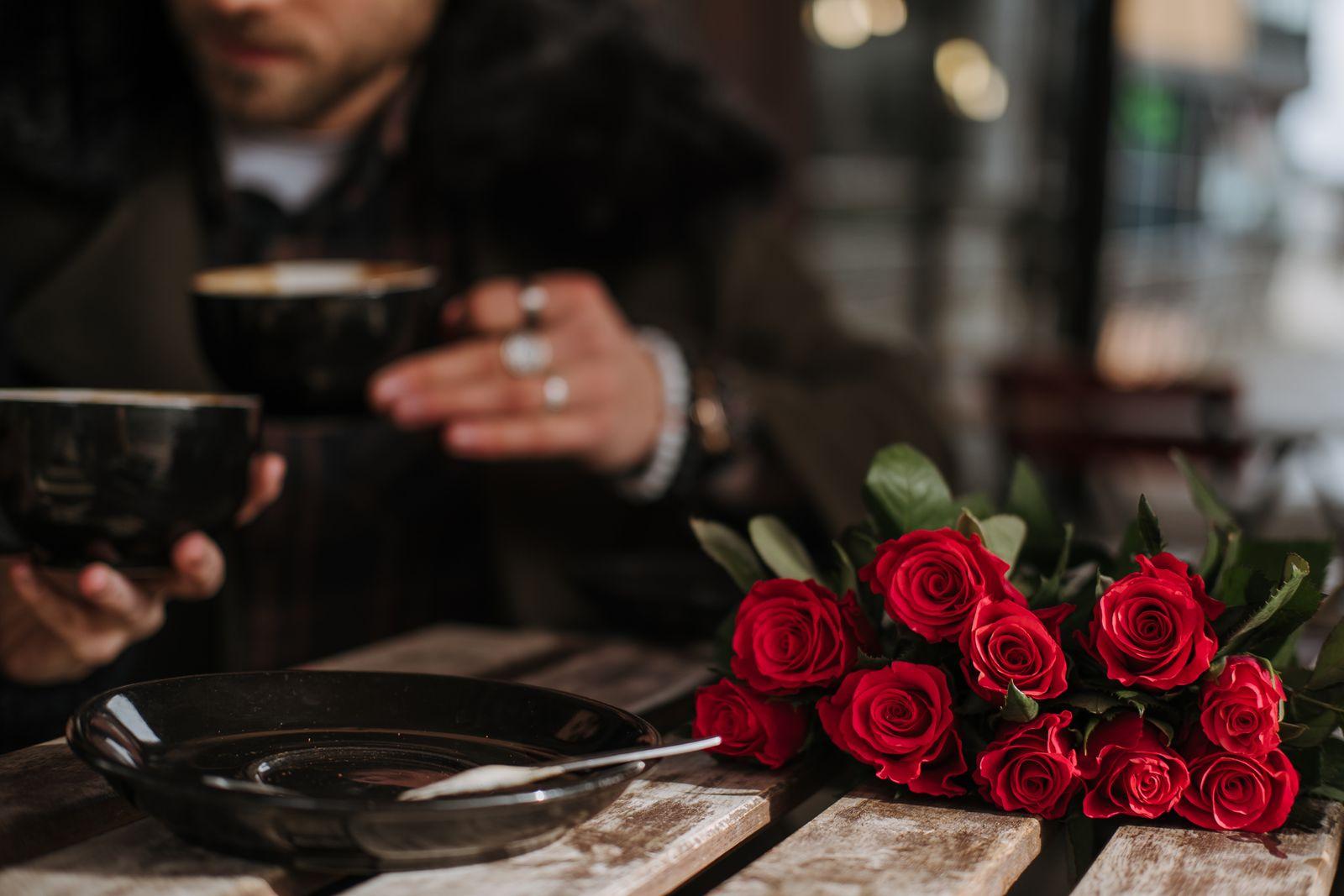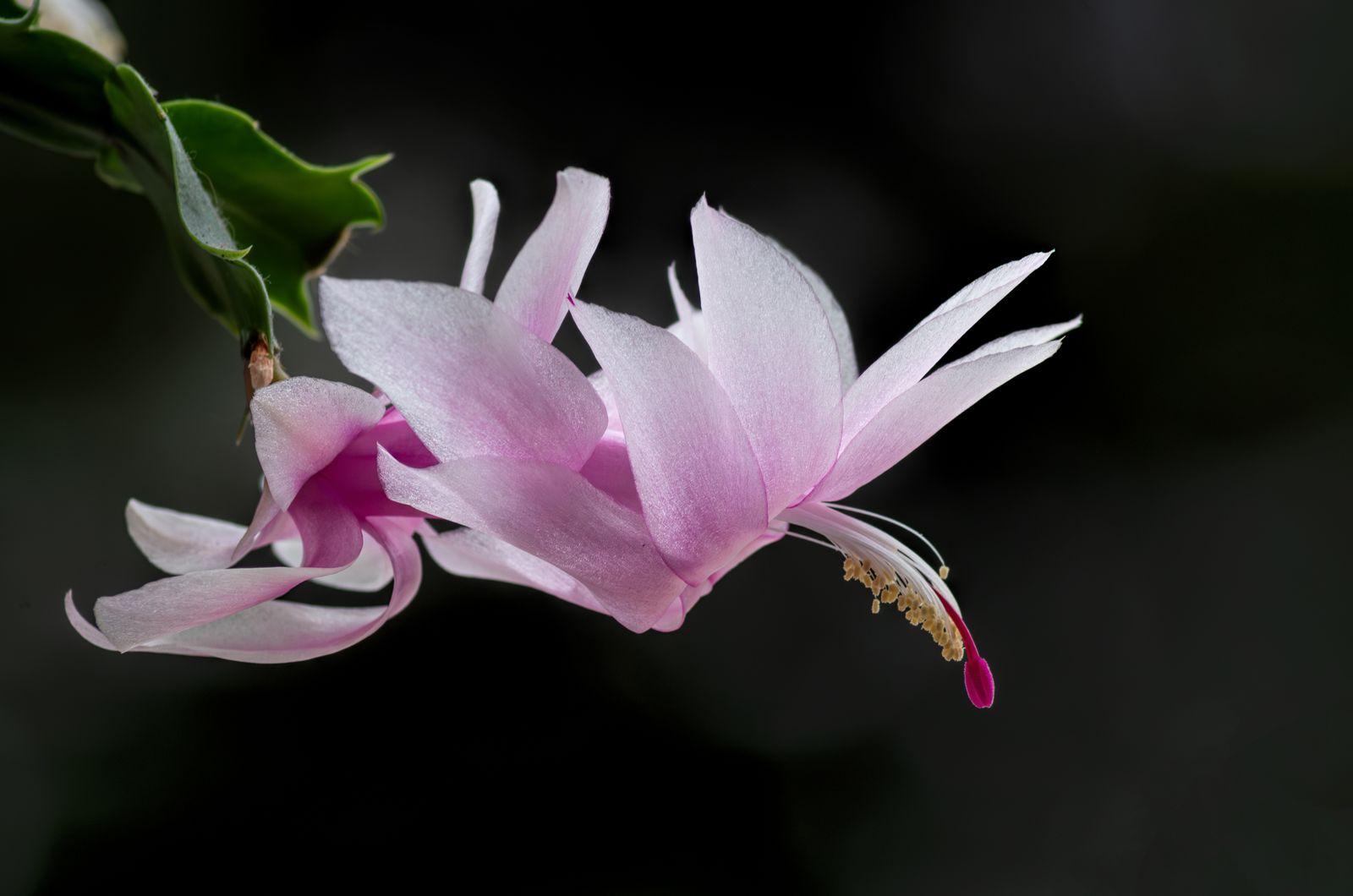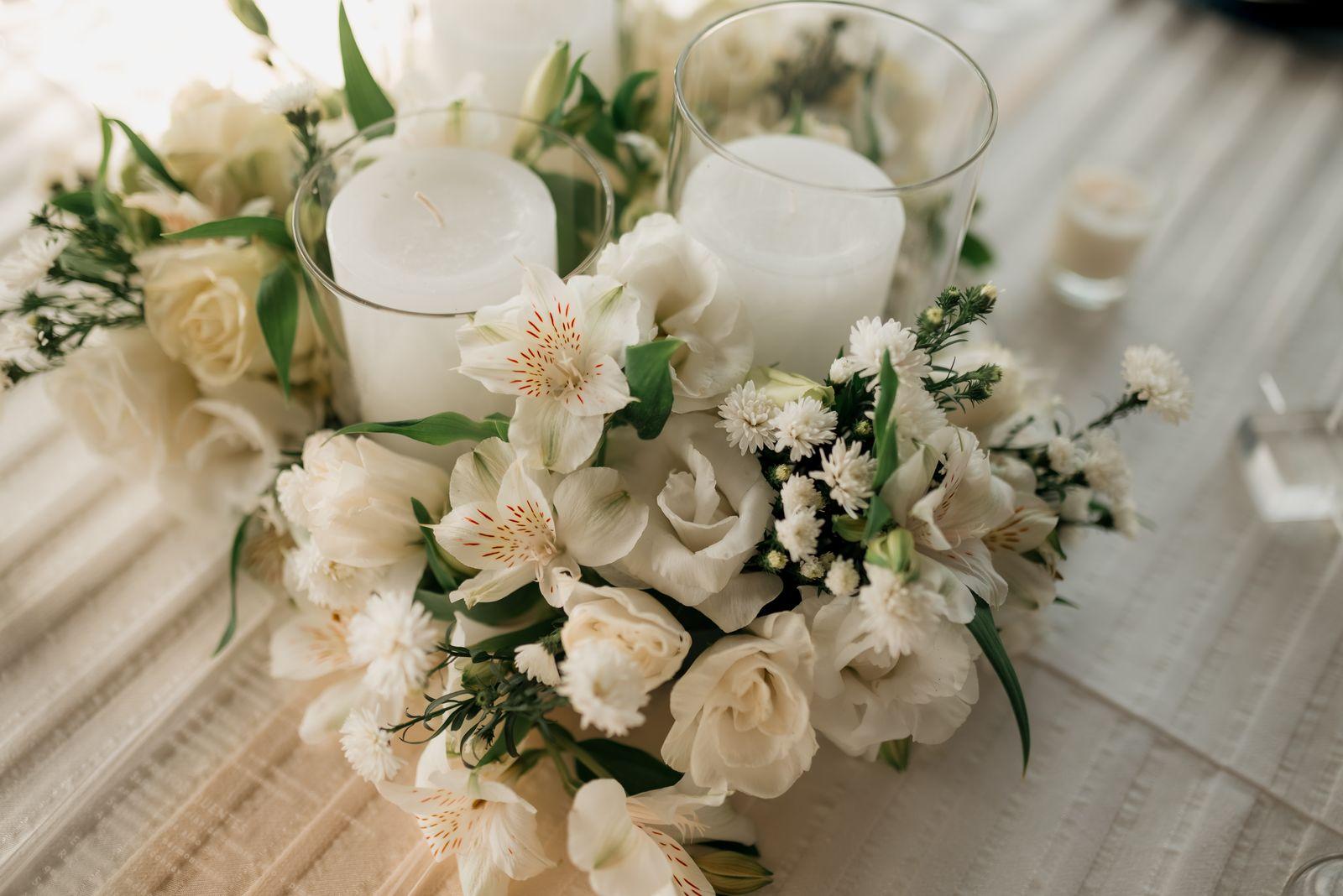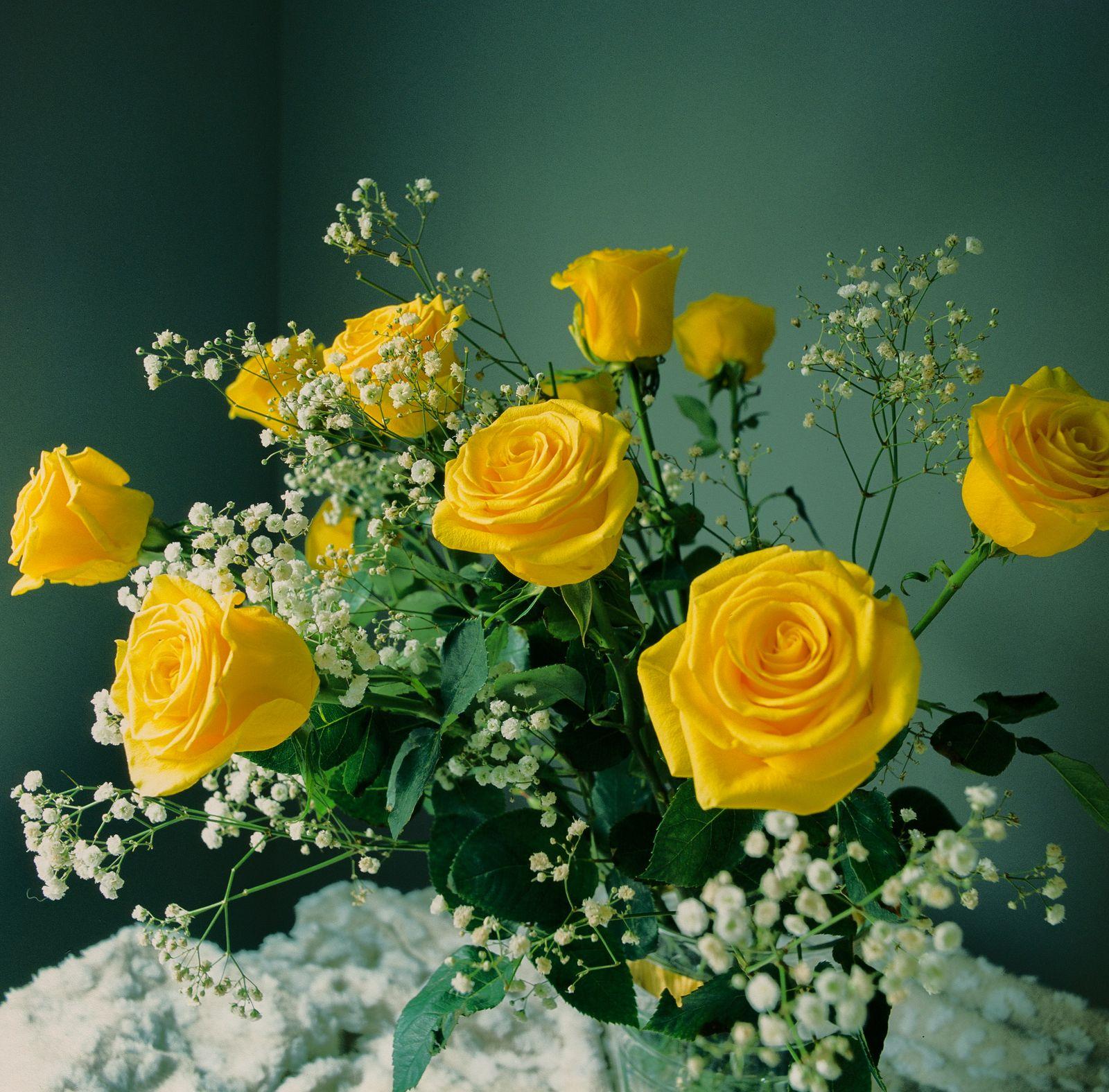
Five flowers do the friendship job in a modern flower shop: yellow roses, alstroemeria, freesia, zinnias and sunflowers. Yellow is the colour carrying the message, and the yellow rose is the shorthand nearly everyone recognises. The wrinkle is that the reading is recent. Victorian flower dictionaries filed the yellow rose under jealousy, and of those five, only the zinnia has meant friendship for anything like that long. Cindy's Flowers builds friendship bouquets around these stems and delivers them across Toronto and the GTA, same-day when you order before 3 PM.
Which flowers mean friendship?
Five stems carry the friendship reading in a Canadian shop today, and they carry it for different reasons. One is genuinely old. One is named after a real friendship. The rest are trade convention from the last century or so. Here is the honest version of each.
- Yellow rose. The standard non-romantic rose. Wikipedia's article on rose symbolism puts it plainly: "giving someone a yellow rose is symbolic of platonic love."
- Alstroemeria. Devotion and mutual support by modern florist convention, backed by an unusually literal origin story. The ASPCA lists it as non-toxic to cats and dogs.
- Freesia. Friendship and trust by modern convention, and the best scent on the list. The Victorian dictionaries have no entry for it at all.
- Zinnia. "Thoughts of absent friends" in Kate Greenaway's Language of Flowers (1884), and "Thoughts of absent friends, Lasting affection" in the Old Farmer's Almanac chart. The only pedigreed one here.
- Sunflower. Modern shorthand for warmth and loyalty, though the Victorians read it very differently, as our sunflower guide explains.
Any of them suits a just-because delivery, which is the most friendship-shaped occasion there is: no birthday, no apology, no reason beyond the person.
Do yellow roses mean friendship or jealousy?
Both, depending on the century. Every Victorian source that can be checked hands the yellow rose a sour meaning. Greenaway's 1884 dictionary lists it as "Decrease of love. Jealously.", keeping the book's own spelling, and repeats the pairing twice in its reverse index. The Old Farmer's Almanac chart is blunter still, giving "Jealousy, Decrease of love, Infidelity".
Modern usage inverted all of it. Set against the red rose and its romantic freight, a yellow rose now signals platonic love, which is precisely the job most people need a rose to do. Nobody in Toronto opens a box of yellow roses and reads infidelity into it.
The Almanac itself explains why the old code should not be treated as law. Nearly every Victorian home kept a guidebook for deciphering the language beside the Bible, "although definitions shifted depending on the source". Floriography was a publishing genre, not a standard, and rival dictionaries contradicted each other freely. For what each shade does across the rest of the spectrum, read our guide to flower colour meanings.
Why the yellow rose's friendship meaning is modern
Here is the fact that settles the argument. Europe had yellow roses in its gardens and greenhouses for centuries before Greenaway, from Rosa foetida in the 1580s to the Victorian greenhouse cut rose 'Marechal Niel' of 1864; what it did not have was a friendship reading for them. Rosa foetida, the Austrian briar or Persian yellow rose, is native to the foothills of the Caucasus Mountains in Georgia. It was described in 1583 and grown by Carolus Clusius in the imperial garden of Rudolf II in Vienna, and its arrival mattered exactly because no yellow rose was native to European gardens.
The deep-yellow hybrid tea line most florists sell today is younger again. Rosa foetida is the source of yellow in modern hybrids, most famously Soleil d'Or, a cross with Antoine Ducher bred by Joseph Pernet-Ducher in 1900. Yellow roses as a shop product are about 125 years old. The species name is not flattery either: foetida is Latin for "having a bad smell".
A friendship meaning attached to the yellow rose is therefore modern not because the flower is new, but because the meaning changed: the Victorian dictionaries that had the flower gave it jealousy. Send them freely. There is no old rule to break.
Alstroemeria: the flower named after a friendship
Of everything on the list, alstroemeria has the strongest claim, and it has nothing to do with symbolism. The genus was named after the Swedish baron Clas Alströmer, who lived from 1736 to 1794 and was a friend of Linnaeus. The friendship sits in the name, recorded a century before any florist got a vote on the matter.
It behaves well in a vase, too. Sold as Peruvian lily, it is not a lily at all, and the ASPCA lists it as non-toxic to cats and dogs, unlike true lilies and daylilies, which cause fatal kidney failure in cats (the detail is here). Each stem opens several flowers in turn, so it keeps a mixed bouquet looking intentional after the showier blooms have gone over.
Which friendship meanings are genuinely Victorian?
Four, and you will not meet any of them in a flower shop. Greenaway's dictionary gives plain "Friendship" to the acacia, "Unchanging Friendship. Live for me." to arbor vitae, "True friendship" to the oak-leaved geranium and "Early friendship" to blue periwinkle. Only the acacia reaches a flower shop, sold as cut mimosa in late winter, and that yellow form carries Greenaway's "Secret love" rather than friendship; it also has no ASPCA entry, so treat it as unverified. Arbor vitae and the oak-leaved geranium are hedging and garden plants, and periwinkle is a groundcover rather than a cut stem.
Treat that paragraph as history rather than a shopping list. Pelargonium geraniums and periwinkle (Vinca) both sit on the ASPCA's toxic list for dogs, cats and horses, and arbor vitae is a hedging conifer.
Two corrections are worth making, because the internet repeats both. Freesia and alstroemeria have no Greenaway entry whatsoever, and alstroemeria is absent from the Almanac's chart as well, so any "Victorian meaning" quoted for either has been invented. And the Victorians did not read a sunflower as friendship. Greenaway splits the flower by size, giving "Adoration" to the dwarf and "Haughtiness" to the tall, and the Almanac chart matches her exactly.
How do you build a bouquet that reads as friendship?
Lead with yellow, then break it up. A monochrome yellow bunch can look like a grab from a shop fridge, while yellow roses cut with white alstroemeria, or freesia set against fresh green, reads as a decision someone made. A bunch of sunflowers does the same work with more volume, which suits a first apartment or an office desk better than anything delicate.
Four things worth getting right:
- Skip red. A single red rose in a friendship bouquet rewrites the whole message, and not in your favour.
- Write the card yourself. The flowers carry a mood. The sentence carries the meaning.
- Think about the home. Roses, alstroemeria and sunflowers are all on the ASPCA's non-toxic list for cats and dogs, which is useful to know before sending to a house you have not visited. Freesia is absent from the ASPCA's searchable plant database but named pet-safe in the ASPCA's own bouquet guidance.
- Match the occasion. Thank-you flowers after a friend has driven you to an appointment or fed your cat for a week land harder than anything sent on a date in the calendar.
Cindy's Flowers hand-ties all of this in our Toronto studio and delivers across the GTA Monday to Saturday, so a friendship bouquet can go out the same day when the order lands before 3 PM.