Sympathy etiquette rests on two honest questions: what do I say, and what do I send? Say what you actually feel, keep it short, and offer real help instead of a polished speech. Send flowers in a soft, classical palette, where white lilies are the Western tradition, or make a donation when that better fits the family's customs. Timing beats perfection here. Reach out as soon as you hear, and don't let a delay convince you to stay silent. What follows is a Toronto florist's plain guide to condolences that land with warmth instead of awkwardness. Reaching out today is the part that matters most, and Cindy's Flowers hand-ties sympathy arrangements in exactly that palette for same-day delivery across Toronto and the GTA on orders placed before 3 PM.
What sympathy etiquette really asks of you
Sympathy etiquette isn't a rulebook. At its heart sits a single idea: show a grieving person they aren't alone, without adding to their load. The word condolence means an expression of sympathy and sorrow, which is exactly why "my condolences" has lasted so long. It says the necessary thing without decoration.
Two decisions cause most of the worry. What words go in the card, and what, if anything, you send with them. Neither needs to be elaborate. The Emily Post Institute, which has guided North American manners for generations, puts it bluntly: a sympathy note is too personal to follow a set form, so the honest rule is to say what you truly feel. One sincere line clears the bar.
Get those two things roughly right and the etiquette mostly takes care of itself. What's left is timing and a little cultural awareness, and both are easy to handle once you know what to watch for.
What do you say in a sympathy card?
Say what you feel, in your own words, then stop. The Emily Post Institute holds that a single genuine sentence beats a long, careful paragraph, because sincerity is the entire point. "I'm so sorry for your loss, and I'm thinking of you." That is a complete message, and no one has ever wished it were longer.
A few habits are worth breaking. Don't dwell on the illness or the specifics of how the person died. Skip the tidy clichés, "it was a blessing in disguise," "everything happens for a reason," "at least she isn't in pain." They aim to comfort, yet they tend to shrink a loss the person is still living inside. And retire "I know exactly how you feel," because none of us really does.
What helps more than any phrase is a concrete offer. Not "let me know if you need anything," which quietly hands the work back to the mourner. Give them something to accept: "I'll bring dinner Thursday," or "I can drive the kids to practice this week."
A closing line that works
If the sign-off is where you freeze, keep it short and warm. "With deepest sympathy," "With love," "Thinking of you," and "Holding you close" all read as sincere. Match the formality to how close you were, and don't agonize over the final line.
What flowers do you send when someone dies?
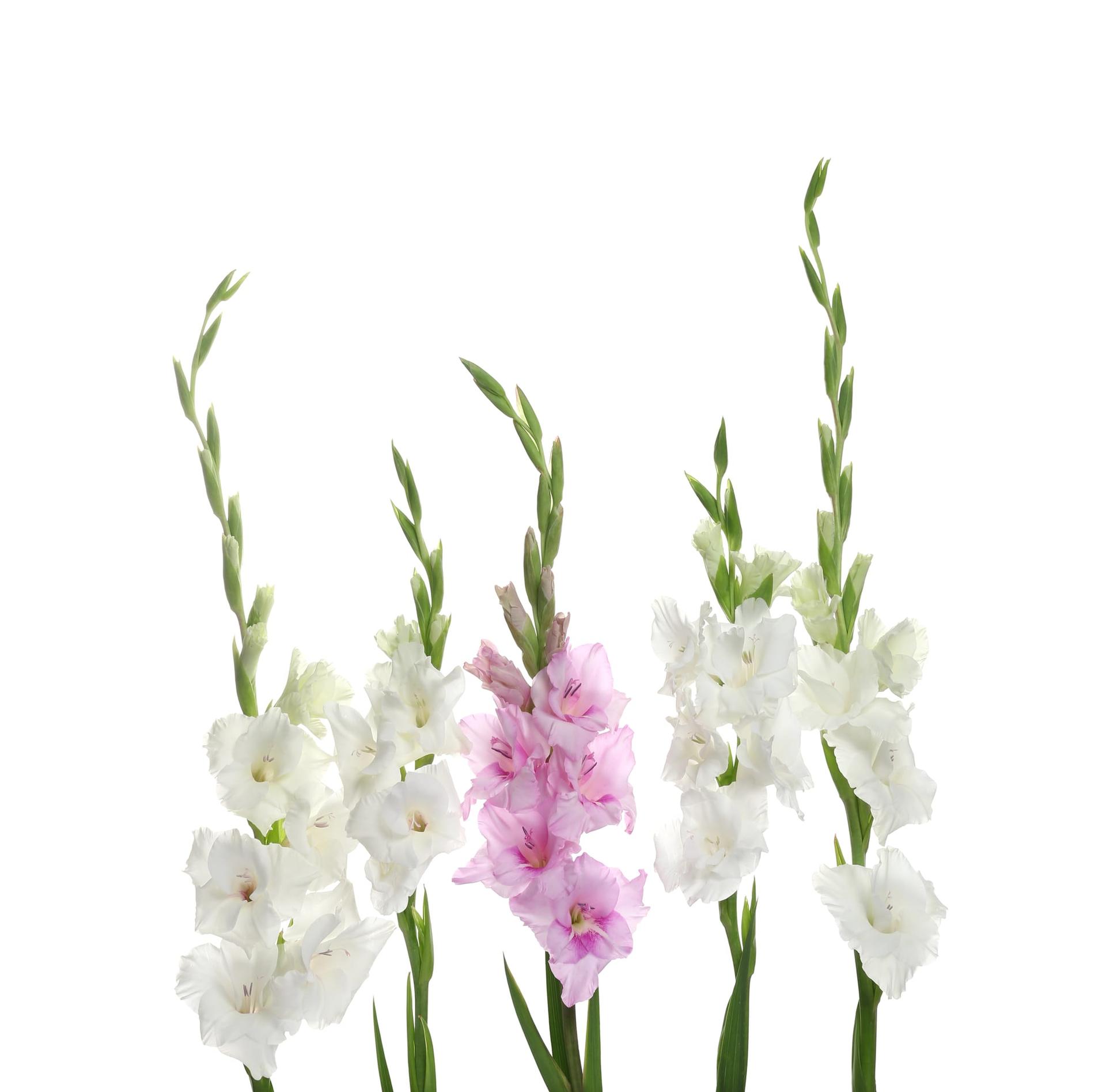
A soft, classical palette is the traditional and reliable answer: whites, creams, gentle pinks, and generous green. White lilies lead that list. By long Western tradition the white lily stands for purity, an association carried through centuries of Christian art, where the archangel Gabriel is shown offering a white lily to Mary. That heritage is why the white lily became the most common funeral flower in the West, and why our sympathy flower delivery arrangements lean on lilies, white roses, and quiet foliage rather than bright, celebratory colour.
None of this is a hard rule. Colour is personal, and sending the person's favourite bloom, in any shade, is a warm and entirely fitting choice.
Before you send lilies: the pet question
One practical caution outranks symbolism here. True lilies and daylilies are highly toxic to cats. The U.S. Food and Drug Administration warns that the whole plant is dangerous: stem, leaves, petals, pollen, even the water in the vase. A cat can develop fatal kidney failure within a couple of days of nibbling a leaf or licking pollen from its fur. Setting the vase somewhere high doesn't solve it, because the pollen and the water are the hazard; the only reliable answer is to keep them out of a cat's home altogether. With those two, dogs usually get no worse than a stomach upset, but that reassurance doesn't stretch to every flower sold under the lily name. Lily-of-the-valley is life-threatening to dogs, cats and horses alike, and gloriosa, the flame lily, can cause multi-organ failure in dogs as well as cats. So when the grieving home has animals in it, say so when you order and ask for the lilies to be left out in favour of white roses or alstroemeria, the Peruvian lily, which isn't a true lily and sits on the ASPCA's non-toxic list. Our lily bouquets are the ones to save for a household with no pets.
How does sympathy etiquette change across cultures?
More than most people expect, and in a city as mixed as Toronto, a quick check before you send is worth the trouble. Two examples come up again and again.
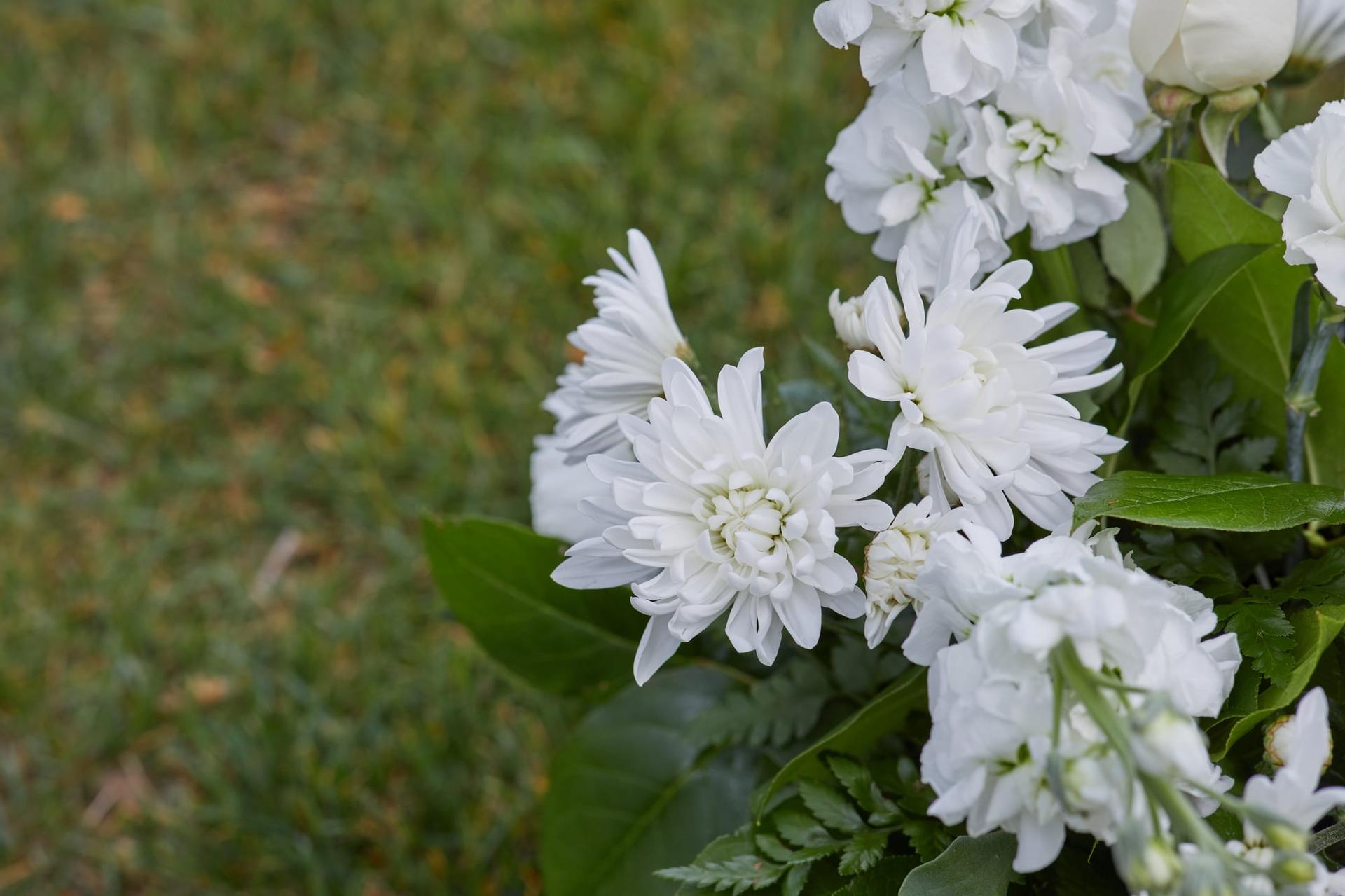
Chrysanthemums are the first. Across much of continental Europe, in France, Italy, Belgium, Spain, Poland and beyond, mums are cemetery flowers, carried to graves around All Saints' Day at the start of November. To someone raised in those countries, a bright pot of chrysanthemums can read as a funeral gesture rather than a cheerful gift. Across most of North America the same flower is an ordinary autumn ornamental, though the graveside association isn't unknown here either: in New Orleans, chrysanthemums have long been the flowers carried to cemeteries for All Saints' Day. Neither reading is wrong. They simply don't travel well.
The second is Jewish mourning custom, where flowers generally aren't sent to the funeral or during shiva. The customary gesture is a charitable donation in the person's memory, and, during shiva, bringing food to the mourners' home so the family doesn't have to think about meals. A generous bouquet, however kindly meant, can land as a small misstep. When you don't know a family's traditions, a discreet "what would be welcome?" to someone close to them is the most respectful step you can take.
When should you send sympathy flowers?
As soon as you hear the news is the honest answer. Etiquette writers commonly suggest getting a card, note, or arrangement out within about two weeks of the funeral, while the loss is raw and support means the most. Treat that as a guideline, not a gate. Grief doesn't expire at two weeks, and a sincere note that arrives a month later, once the casseroles have stopped and the house has gone quiet, is often the one that sticks.
If flowers are meant for the service, aim to have them at the funeral home before the visitation. Miss that window and you simply send them to the family's home instead, where they'll soften a hard week. This is where same-day delivery pays off. Cindy's Flowers hand-ties sympathy arrangements in our Toronto studio and delivers them same-day across the GTA on orders placed before 3 PM, Monday through Saturday, so a last-minute "I only just heard" can still become flowers on the doorstep that afternoon. When you're ready to choose, our current bouquets are the easiest place to begin.
The gesture that comes after the flowers
Sympathy isn't a single delivery. Cards and casseroles cluster in the first fortnight, then stop almost overnight, which is frequently when the quiet turns hardest. A short message a month or two on, "thinking of you today, no reply needed," costs nothing and carries real weight. If you knew the person well, mark the anniversary of the death. These follow-ups rarely appear on an etiquette checklist, yet in our experience they're the ones grieving families remember most. Flowers say I'm sorry now. A check-in three months later says I haven't forgotten.