Amaryllis care comes down to two seasons. For flowers this winter, pot the bulb six to eight weeks before you want them (South African-grown bulbs are quicker), with a third to a half of it above the soil. Water once, then barely until a green shoot appears, and give it your sunniest window and an early stake. For flowers next winter, cut the spent stalk, keep the leaves growing and fed through summer, then rest the bulb somewhere cool and dark for eight to ten weeks.
The ASPCA lists amaryllis as toxic to dogs, cats and horses, so for a home with a dog or cat, Cindy's Flowers delivers a potted white Phalaenopsis orchid across Toronto and the GTA instead.
When should you plant an amaryllis for Christmas?
Count back from the date you want flowers. Iowa State University Extension says Dutch-grown bulbs typically bloom six to eight weeks after potting and South African-grown bulbs in three to five. It tells gardeners to pot in early to mid-November for blooms over the Christmas holidays.
In the first days of November, Christmas is about seven and a half weeks out. A Dutch bulb potted in the first week should open between mid-December and early January. One potted after mid-month is more likely to flower after Christmas than before it. The Toronto Botanical Garden's staff guide leans earlier, suggesting eight to ten weeks before Christmas to be safe while noting that other growers say six to eight. Starting late? Look for a label that says South African-grown.
Boxed kits are their own case. Sally McCabe of the Pennsylvania Horticultural Society notes that supermarket kit bulbs which have already broken dormancy in the box can bloom in two to three weeks. She suggests opening the box before you buy and checking for spent blooms. A shrivelled flower stalk means the show already happened inside the cardboard.
Buy by size as well: the larger grades produce up to three stalks with four to five blooms each, by Clemson's count. If mid-December arrives with only a green stalk, Cindy's Flowers hand-ties Christmas flowers in its Toronto studio and delivers them same-day across the GTA on orders placed before 3 PM, Monday to Saturday.
Potting depth, pot size and that first watering
Choose a pot only 2.5 to 5 cm (1 to 2 inches) wider than the bulb, with drainage holes, as Iowa State and Clemson's Home & Garden Information Center both advise. Set the bulb so a third to a half of it sits above the mix. Sources differ on the exact share, but none wants it buried. The Old Farmer's Almanac explains why: "If planted too deeply, the bulb may rot."
Why so tight? The University of Minnesota Extension says amaryllis bloom best slightly pot-bound and need repotting only every three or four years, best done after the rest period. Then the watering, which matters more than the pot. McCabe calls it "the secret": water thoroughly once, then keep the soil barely moist, or even dry, until a green shoot emerges. In her account, excess water before the roots establish is the most common cause of bulb rot. Wait a week before watering again, Clemson advises, and never let the pot sit in a saucer of water.
Once growth is under way, the routine changes:
- Water more often once growth appears, as Iowa State advises. The University of Minnesota's test is a good one: water when the top 5 cm (2 inches) of mix feels dry.
- Expect to water once or twice a week after flowering starts, which is Clemson's figure.
Waxed amaryllis bulbs skip all of this
A waxed bulb needs no pot, no soil and no water. Clemson notes that waxed bulbs contain enough stored energy to flower for the season, so given light and warmth they bloom on a table. Sealed in wax, the bulb can't take up water or root into soil, so treat it as a one-season display.
How much light and warmth does an amaryllis need?
More direct sun than most houseplants get. Clemson recommends at least four hours of direct sunlight a day, from a south-facing window first and an east or west one second. Both Clemson and Iowa State put the growing temperature at 21 to 24°C (70 to 75°F). In a Toronto November, with short days and a low sun, the south sill is the one worth clearing.
The stalk also grows toward the light. Give the pot a turn every few days and it stays upright instead of arching toward the glass.
Once the first flower opens, change the plan. Moving the plant somewhere cooler and out of direct sun makes the flowers last longer: Iowa State suggests 18 to 21°C (65 to 70°F), and the Royal Horticultural Society goes cooler, 15 to 18°C (59 to 64°F). Keep a blooming plant away from heaters and air vents, too. Our guide to Christmas plants that last sets amaryllis beside the other December regulars.
Stake it before it asks
Amaryllis stalks get tall and top-heavy, and the Toronto Botanical Garden's staff guide is emphatic: "Stake proactively!" A thin stake pushed in while the stalk is short slides in beside the bulb. Wait until the stalk leans and you're forcing it blind through a pot full of roots.
- Use a slim bamboo cane a little taller than you expect the stalk to grow.
- Push it in near the bulb, angled slightly outward so it misses.
- Tie the stalk on loosely with soft twine, adding ties as it climbs, the top one just under the buds.
Is amaryllis toxic to cats and dogs?
Yes, and the bulb is the worst of it. The Christmas bulb is botanically Hippeastrum, and the ASPCA's entry for it, filed as Ridderstjerne, marks it toxic to dogs, cats and horses and names lycorine and other alkaloids as the toxic principles. The signs it lists are vomiting, salivation and diarrhea, and after a large ingestion convulsions, low blood pressure, tremors and heart-rhythm problems. The bulbs, it says, are the most poisonous part.
Pet Poison Helpline adds that the leaves, stems and bulbs all contain the alkaloids, and that the irritating oxalate crystals are more concentrated in the bulbs. A gift bulb sits at coffee-table height, and a high shelf is no barrier to a cat. Clemson adds that all parts are poisonous to people too if eaten in large quantities, the bulb most of all, so keep the plant away from toddlers and call your poison centre if a child eats any. If a dog or cat has chewed any part of one, call your vet.
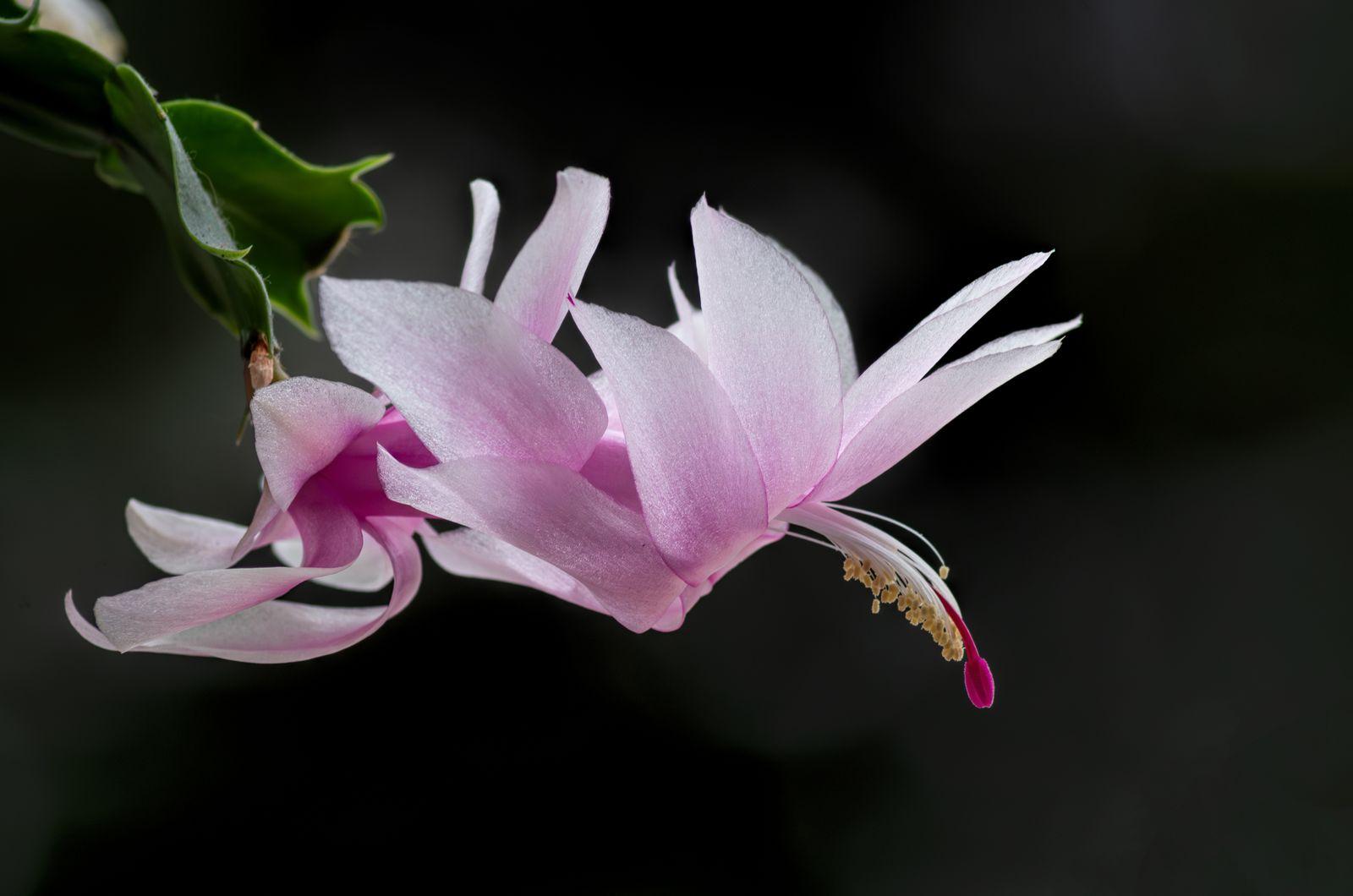
In a home with a dog or cat, give something else. The Christmas cactus is on the ASPCA's non-toxic list for dogs, cats and horses, and our Christmas cactus care guide covers getting one to flower. From our own catalogue the pick is the potted Phalaenopsis: the ASPCA lists Phalaenopsis orchids as non-toxic to dogs and cats, and Cindy's Flowers delivers the white Phalaenopsis orchid across the GTA.
What do you do with an amaryllis after it blooms?
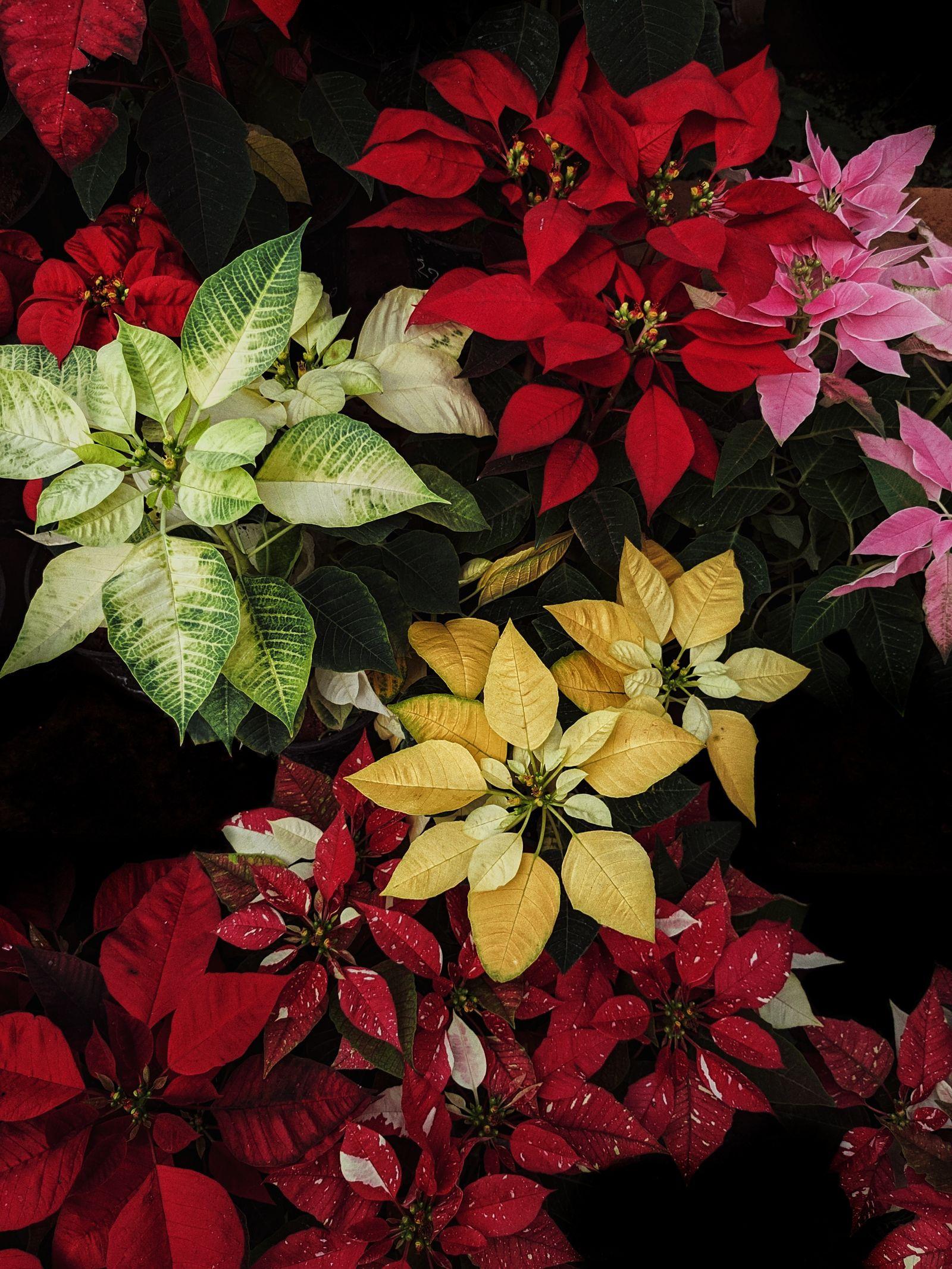
Keep it growing, because the leaves refill the bulb for next winter. The University of Wisconsin-Madison Extension says the plant must be kept actively growing after it blooms, with bright light, regular water and a monthly feed, before a cool, dark rest. A poinsettia is the harder rebloom: it needs weeks of long, unbroken nights to colour up again, and the ASPCA lists it as toxic to dogs, cats and horses too, as our poinsettia care guide explains.
Winter into spring
Snap off each flower as it fades so the plant doesn't spend itself on seed. When the last one is done, cut the stalk 2.5 to 5 cm (an inch or two) above the bulb.
Leave every leaf.
Keep it in your sunniest window, water when the surface dries, and start the monthly feed with a balanced houseplant fertilizer.
Summer
Once frost is no longer a risk, the pot can go outdoors for the summer, as UW-Madison recommends. Ease it into full sun over a week or so, because leaves grown behind glass scorch easily, and keep watering and feeding. A sunny Toronto balcony does the job.
Late summer into autumn
In mid- to late summer the leaves may die back as the bulb heads into dormancy, UW-Madison notes. Bring the pot in before frost, stop watering and store it somewhere cool and dark, 10 to 13°C (50 to 55°F); an unheated basement corner or a cold cellar works. Let the leaves dry and shrivel before you cut them off. UW-Madison notes that commercial bulbs kept growing can flower without any rest, and treats eight to ten weeks of dormancy as the way to time the bloom. Iowa State University Extension is stricter: the bulb needs at least eight to ten weeks at that temperature to bloom again, dormant in the dark or kept green in a bright, cool spot.
Now the arithmetic for a Christmas rebloom. Eight to ten weeks of rest plus the four to six weeks that UW-Madison and the University of Minnesota give a rested bulb to bloom puts the start of its rest, for a December 25 flower, between early September and early October. UW-Madison says new growth typically starts in late October or November, which is your cue to bring it into the light and water again. A home-rested bulb keeps its own clock, so treat Christmas as a target, not a promise.