A chrysanthemum means loyalty, friendship, joy, and long life, at least by floral convention, and it's the birth flower of November. The name itself translates from Greek as "golden flower," a nod to the wild yellow blooms that started the whole family. Mums earn the "signature flower of fall" title honestly: they're built to bloom as autumn nights grow longer, right when the rest of the garden is winding down. Here's what the flower symbolizes, how its meaning shifts by colour and by country, how to keep a fresh bunch looking sharp on a Toronto table, and the caveat worth knowing before you send one into a home with a dog or a cat. If it's the fresh bunch on the table you're after, Cindy's Flowers hand-ties mums in our Toronto studio and delivers them across the GTA the same day when your order lands before 3 PM.
What does a chrysanthemum mean?
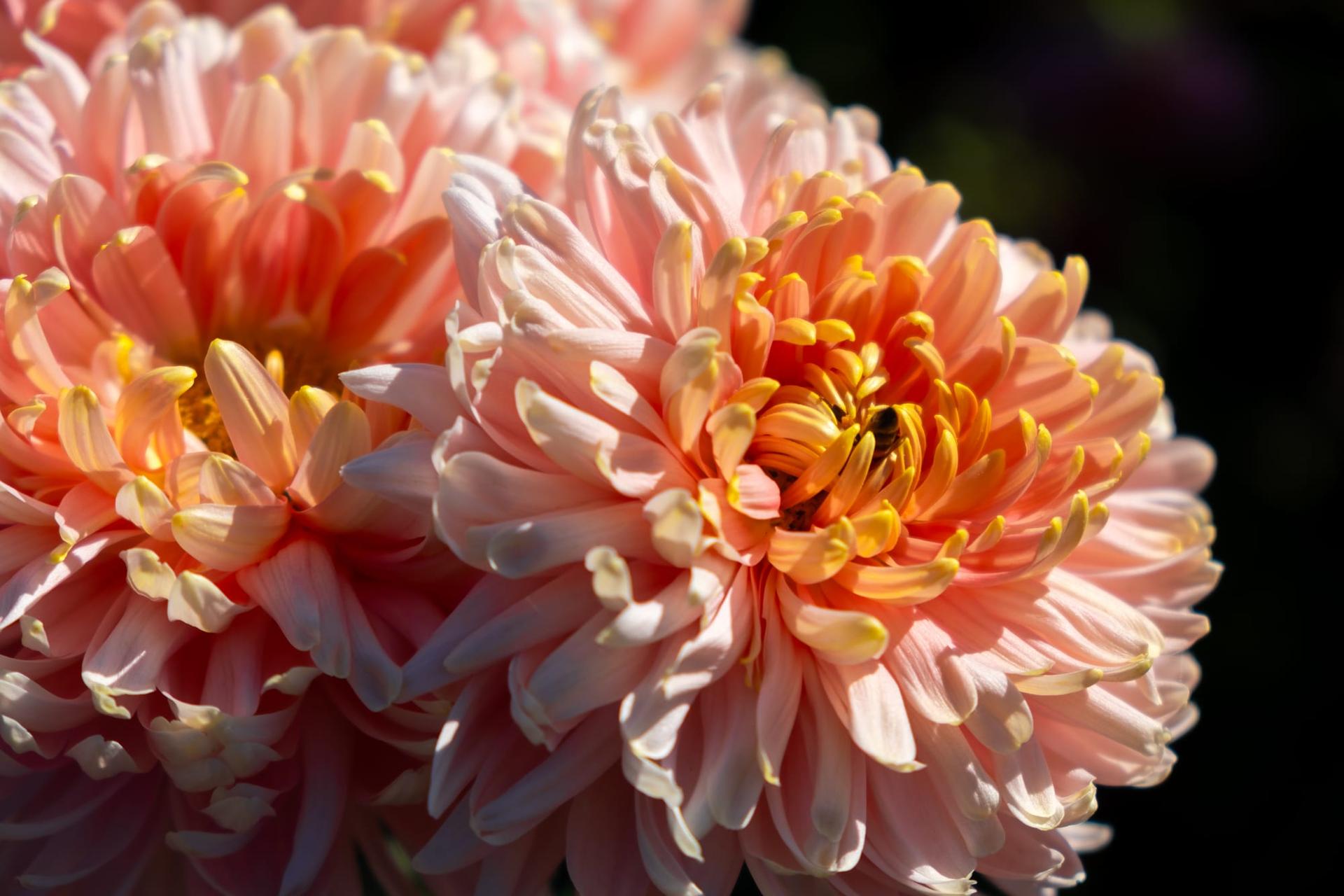
By long floral convention, a chrysanthemum stands for loyalty, friendship, joy, and longevity. The name backs it up. It comes from the Ancient Greek *chrysos*, meaning gold, and *anthemon*, meaning flower, so a chrysanthemum is literally a "golden flower," named for the yellow wild species that came before every ruffled cultivar we grow today. Most people just call them mums.
Botanically, they belong to the daisy family, Asteraceae, native to East Asia and northeastern Europe with their centre of diversity in China. Centuries of breeding have produced thousands of cultivars, from tight buttons to shaggy spider mums, which is part of why a single flower can carry so many meanings at once.
The mum also owns a spot on the calendar as the November birth flower. That makes it the obvious pick for a late-autumn birthday, and it reinforces the flower's steady theme of endurance. In Chinese and Japanese tradition, the chrysanthemum specifically symbolizes long life and rejuvenation. Put those threads together and the chrysanthemum meaning reads the same across cultures: warmth, constancy, and staying power.
One honest caveat. These are conventions, a shared language built by florists and gift-givers over centuries, not rules of botany. A mum won't return your loyalty. But the code is real and widely understood, which is exactly what makes it useful the moment you tie a card to the stems.
Why chrysanthemums own the fall
Mums bloom in autumn for a concrete botanical reason: they're short-day plants, which really means long-night plants. It's the growing stretch of uninterrupted darkness in late summer and fall, not the shorter daylight itself, that signals the plant to set flower buds. That photoperiod trigger is the real science behind their billing as the signature flower of fall.
The timing is almost poetic. In 2026, the autumnal equinox lands on September 22 for those of us on Eastern Time, right as Toronto gardens begin to fade. Mums step in and throw the last real wave of colour across porches and front steps, from Leslieville to Etobicoke, before the first hard frost. No other common bloom is so reliably tied to the season in the Northern Hemisphere.
They also blend beautifully with the season's other stems, which is why we build so many of our autumn mixed bouquets around them once the weather turns. Deep bronzes, rusts, and golds do a lot of quiet work on a grey October afternoon.
What do chrysanthemum colours mean?
Colour changes the message. Like roses, mums carry a colour-coded vocabulary that florists have handed down since the Victorian "language of flowers." Here's the traditional shorthand:
- Red chrysanthemums: deep love and true affection, the mum you send when you mean it.
- White chrysanthemums: truth and honesty. Kate Greenaway's 1884 *Language of Flowers* gives the white mum exactly one word, "Truth." The innocence reading you'll see quoted around belongs to her daisy entry, not this one.
- Yellow chrysanthemums: this one's complicated. Victorian floriography tied yellow mums to slighted or neglected love, a quiet sorrow. Modern florists have largely reclaimed the colour to mean cheerfulness and friendship instead.
So the yellow chrysanthemum meaning depends on the century you're reading from, which is a fair reminder that these codes drift over time. A sunny yellow bunch dropped off just because reads as pure warmth today, not a snub. My advice? Don't overthink the old rules. Pick the colour that looks like the person, and let the card carry the words the petals can't.
Do chrysanthemums mean death? It depends where you stand
Here's the gifting trap: chrysanthemum symbolism swings hard by geography. Across much of continental Europe, including France, Belgium, Italy, Spain, Poland, Hungary, and Croatia, chrysanthemums are funeral and gravesite flowers, and it isn't only the white ones: the big pot-grown types go onto graves in every colour, bronze and purple included. The custom rides on the All Saints' and All Souls' period at the start of November, and it isn't one date: it's November 1 in France, where la Toussaint is the national holiday, and November 2 in Italy, where il Giorno dei Morti fills the cemeteries. In France the habit is traced to 1919, when chrysanthemums were called for on soldiers' graves at the first anniversary of the Armistice, being about the only flower still going through frost; from there it drifted from November 11 to the day of the dead and finally to Toussaint. In Paris, cemeteries fill with pots of them every autumn. East Asia is more nuanced than the reputation suggests, and only the white mum carries mourning weight in China and Japan, where the flower is otherwise celebratory; in Korea the funeral reading is the stronger one. Across most of North America the same flower reads as bright, cheerful, and entirely at home on a kitchen table. New Orleans is the documented exception: the city inherited the French Toussaint custom, and gold mums have gone onto its tombs for All Saints' Day for well over a century.
That split matters when your recipient grew up somewhere else. A generous bunch of mums can land as a lovely gesture or a graveside one depending on who opens the door, and white is only the sharpest version of that risk, not the whole of it. If you're unsure, colour and context do the heavy lifting: a mixed arrangement in warm tones rarely gets misread.
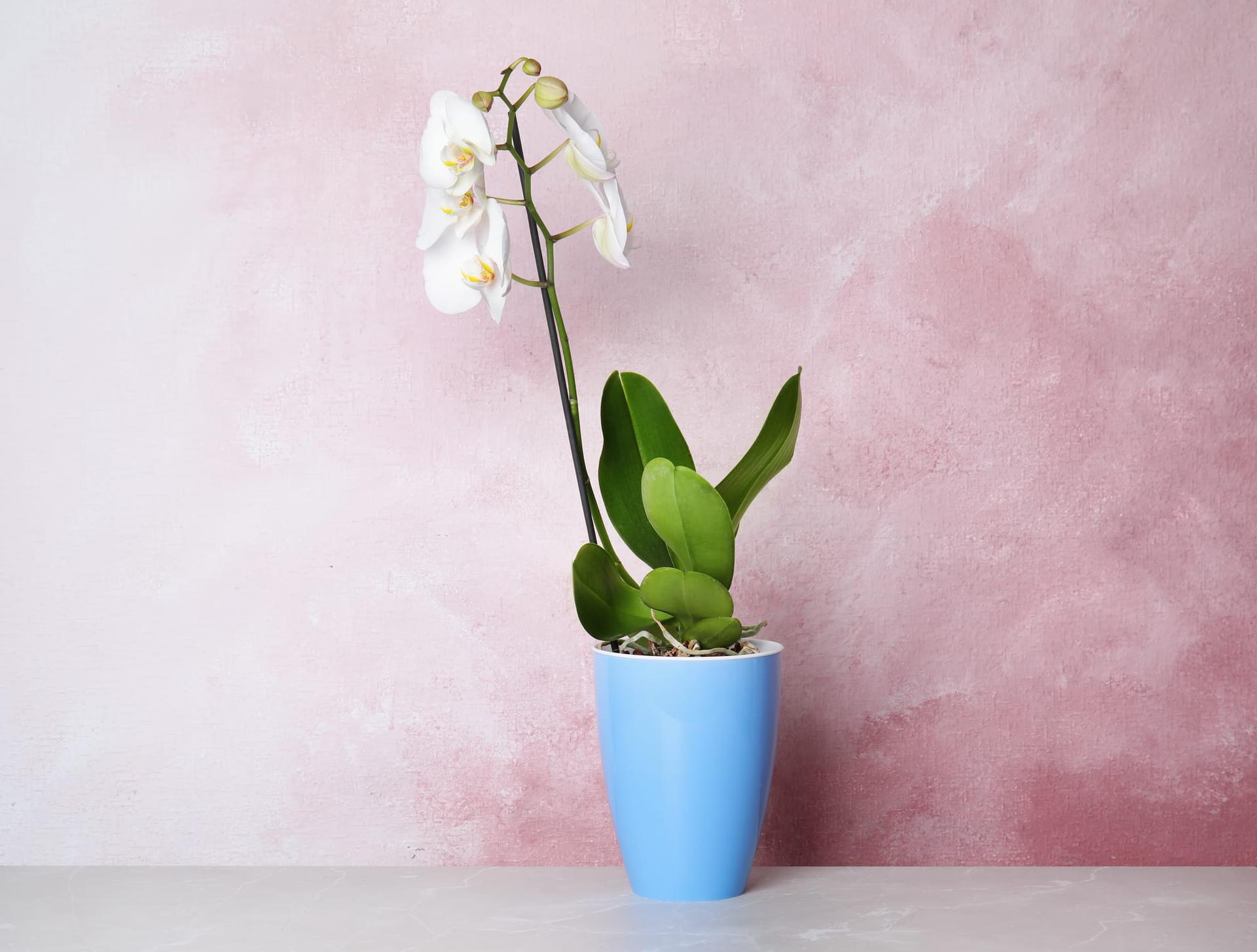
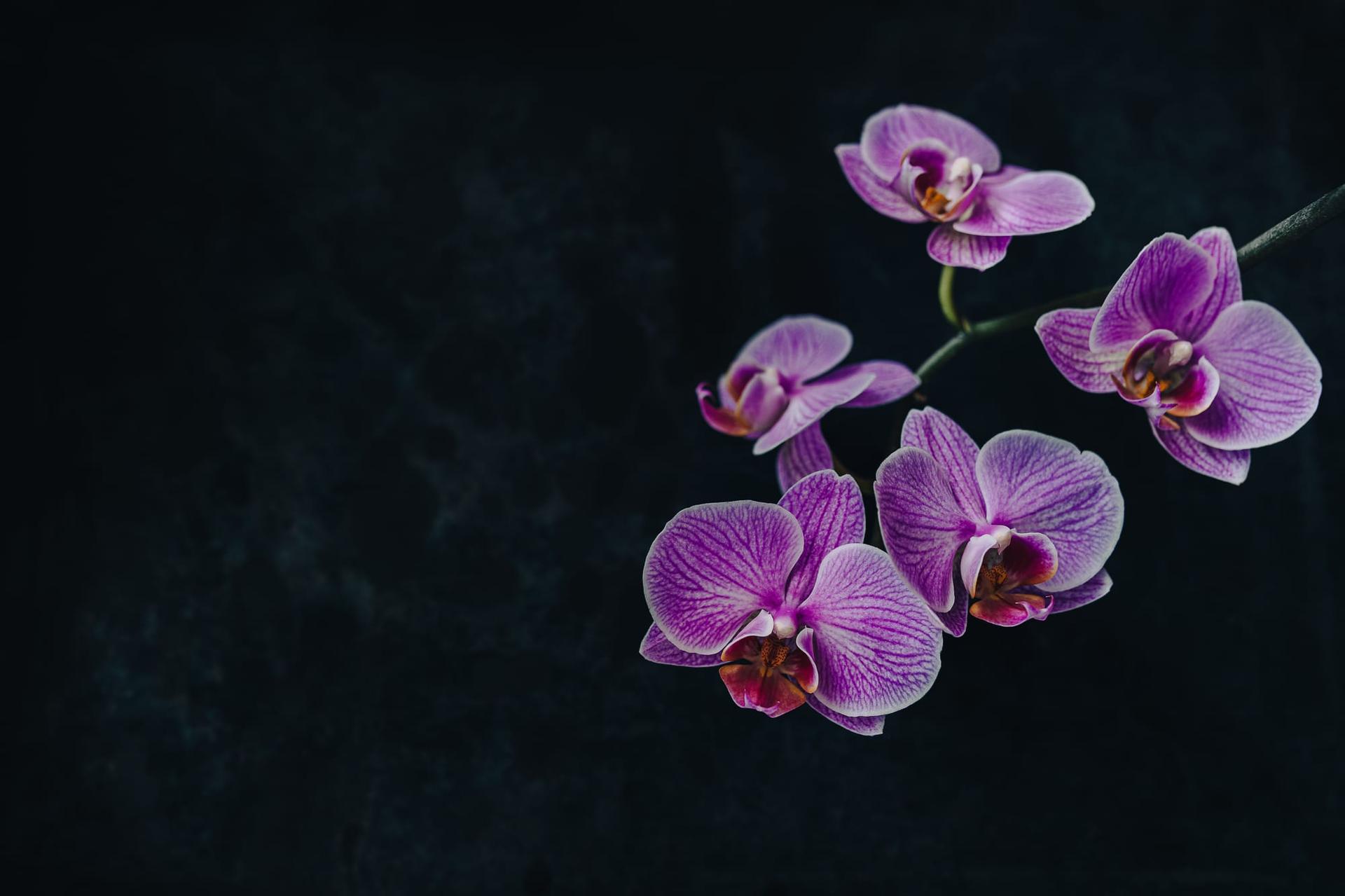
Elsewhere, the flower is downright regal. In China, the chrysanthemum is one of the "Four Gentlemen" of classical art, alongside plum blossom, orchid, and bamboo, a symbol of autumn, longevity, and nobility cultivated there since roughly the 15th century BCE. In Japan it's the emblem of the emperor: the monarchy is called the Chrysanthemum Throne, the imperial crest is a sixteen-petal mum, and the country's highest honour is the Supreme Order of the Chrysanthemum.
Are chrysanthemums perennial in Ontario?
Technically yes, practically often no. Garden mums (*Chrysanthemum* x *morifolium*) are usually rated hardy to about USDA zone 5. Toronto gets quoted as zone 6 to 7, but that number comes from Natural Resources Canada's own plant hardiness index, a different scale that runs warmer than the American one; measured on the USDA scale the plant rating uses, the city is 5b. So Toronto sits right at the plant's limit rather than comfortably inside it, and the margin those two numbers seem to promise isn't really there. Timing is the second problem, and it trips up plenty of GTA gardeners every single autumn.
Will a fall mum come back next year?
Don't count on it. The potted "florist" mums stacked on every grocery and hardware display in September are usually treated as annuals for good reason: planted that late, they rarely grow enough roots to survive an Ontario winter. If you want a genuine shot at overwintering, set mums in the ground in spring or very early fall, choose well-drained soil, and mulch them before the cold. A mum bought in October for the porch is a seasonal decoration, not a guaranteed comeback.
Two things to know before you plant one or set a pot on the front step. The foliage, roots and sap carry sesquiterpene lactones, and NC State Extension rates the plant poisonous to humans at low severity: stomach upset if it's eaten, and a mild rash on sensitive skin after handling, which is why occupational dermatitis is a known hazard for florists. Gloves are sensible for a planting session. And the ASPCA lists chrysanthemums as toxic to dogs, cats and horses, so a porch pot or a garden clump is worth siting where a toddler or a curious dog isn't grazing it.
How do you keep cut mums fresh?
The good news on chrysanthemum care: cut mums are workhorses, among the longest-lasting flowers in the cooler. To pull a week or two out of a bunch, recut each stem on an angle, strip any leaves that would sit below the waterline, and use a clean vase filled with cool water. Change that water every couple of days. Keep the vase away from heat, direct sun, and the fruit bowl, since ripening fruit gives off ethylene gas that ages blooms fast.
One check before that vase goes on a low table. The ASPCA lists chrysanthemums as toxic to dogs, cats and horses, naming sesquiterpene lactones and pyrethrins as the culprits, with vomiting, diarrhea, drooling, unsteadiness and skin irritation among the signs. That's stomach upset rather than the kidney emergency a true lily causes in a cat, but it's a real reason to choose something else when an animal shares the room. Roses and sunflowers are both on the ASPCA's non-toxic list for dogs and cats, and alstroemeria, sold as Peruvian lily but not a lily at all, gives you a vase life comparable to a mum's. Prefer to skip the upkeep? Browse our current bouquets and Cindy's Flowers will hand-tie fresh mums in our Toronto studio for same-day delivery across the GTA, as long as your order lands before 3 PM.