A lily means purity, renewal, and devotion, at least in the language florists have used for centuries, and a white lily has come to mean remembrance specifically. That range is unusual. The same flower turns up at weddings and at funerals, on baptism altars and on memorial tables, changing its message with its colour. Here's where those meanings come from, what each colour traditionally says, which "lilies" aren't lilies at all, and the one warning every cat owner needs before a single stem comes through the door. Once you have picked a colour and confirmed no cat lives at the other end, Cindy's Flowers hand-ties the stems in our Toronto studio and delivers same-day across Toronto and the GTA on orders placed before 3 PM.
What does the lily flower symbolize?
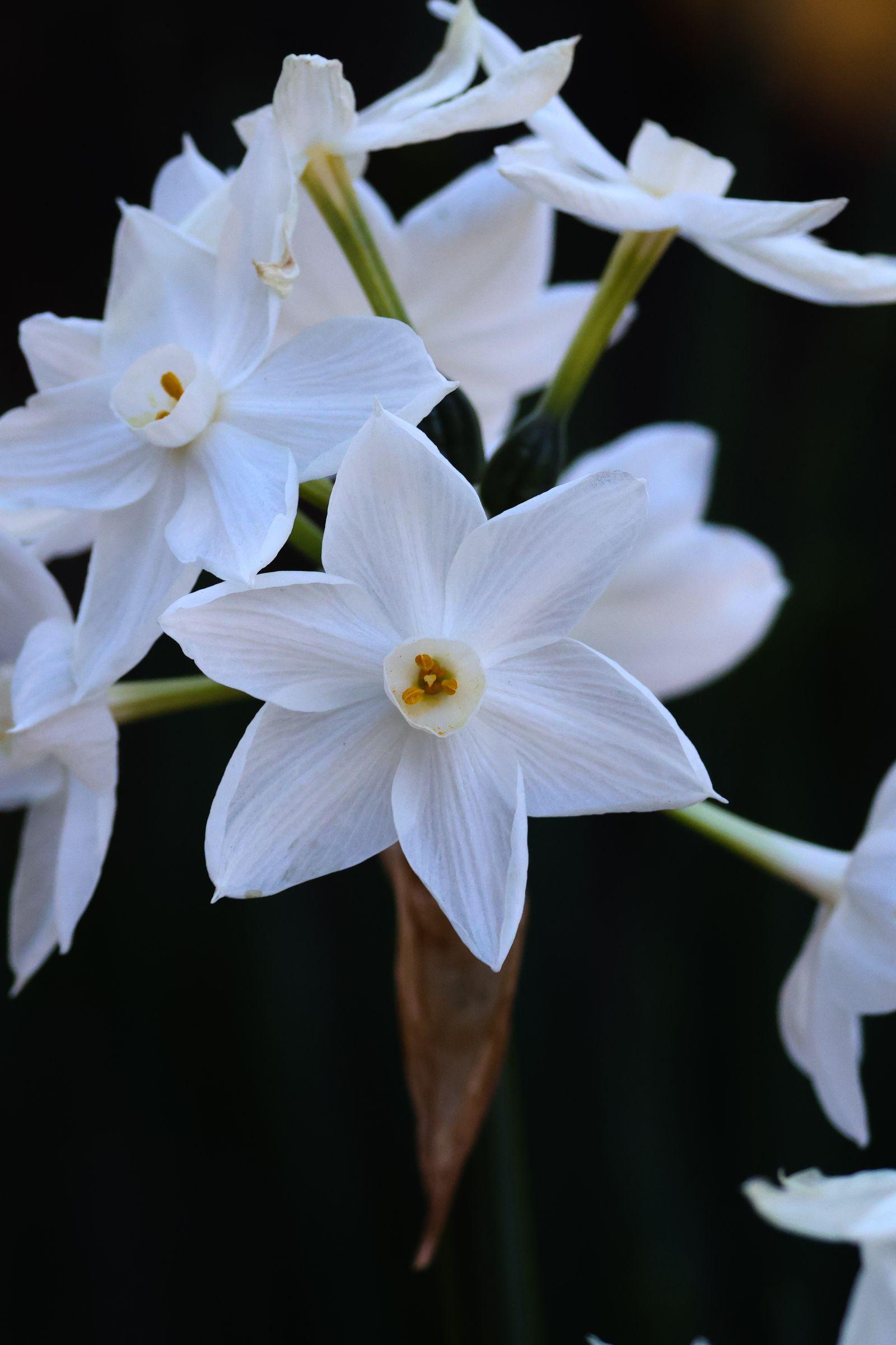
By long floral convention, the lily stands for purity, renewal, and devoted love. White carries that reading most strongly, and it has for centuries: the Madonna lily, Lilium candidum, appears over and over in medieval and Renaissance paintings of the Annunciation as a symbol of the Virgin Mary's purity. That single thread of religious art is the main reason "lily" and "innocence" still travel together in a florist's shorthand.
The name itself has a pleasing circularity. Lilium is Latin, borrowed from the Greek leírion, which is generally understood to have referred to true white lilies of the Madonna type. Trace it back further, through Coptic and Demotic, and you land on an Egyptian word, ḥrr.t, that meant simply "flower." So if you ask what the word lily means, the oldest honest answer is: flower. Nothing more specific than that.
Botanically, true lilies are the genus Lilium, family Liliaceae. They're herbaceous perennials growing from bulbs, native mostly to the temperate Northern Hemisphere, blooming in late spring and summer, often with a fragrance you can pick up from the next room. Keep that definition handy. Plenty of plants carry "lily" in their common name without belonging to the genus, and the distinction turns out to matter far more than trivia.
What do lily colours mean?
Colour does most of the talking. What follows is convention, the shared code florists and gift-givers built up through the Victorian language of flowers rather than any rule of botany, but it's understood widely enough to be worth knowing when you sit down to write the card.
- White lilies: purity, innocence, renewal. Also the default for sympathy and remembrance.
- Pink lilies: admiration, affection, prosperity. The gentler way to say you think the world of someone.
- Orange lilies: confidence, energy, pride. The Victorian dictionaries never gave orange its own entry — Kate Greenaway's 1884 list runs only to white, yellow, day and imperial lilies — so the bold reading of orange is a modern one.
- Yellow lilies: gratitude, cheerfulness, renewed happiness. Victorian codes were less generous — Kate Greenaway's 1884 dictionary gives the yellow lily "Falsehood. Gaiety." — a reading almost nobody uses now.
- Red lilies: love and passion, about as close as a lily gets to a red rose.
- Purple lilies: admiration and a certain regal quality, often carried by a deep purple calla.
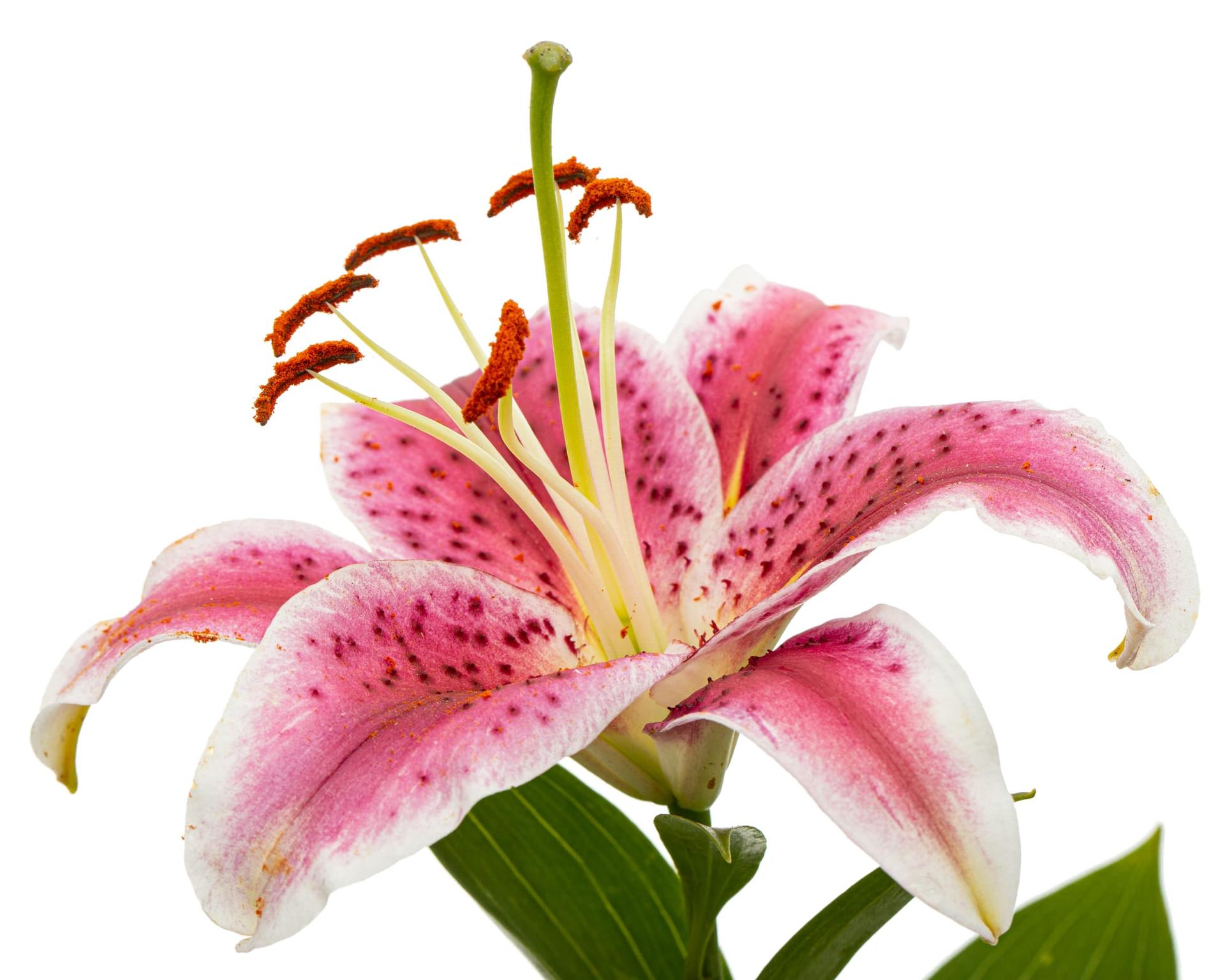
- Stargazer lilies: ambition, prosperity, encouragement. The Stargazer is a modern Oriental hybrid bred in the 1970s, named for the way its blooms face up at the sky instead of nodding toward the floor.
If the colour code and your instinct disagree, follow your instinct. These readings drift by century and by country, and the person opening the door reads the gesture long before the pigment. Underneath all of it, the core lily meaning stays constant: renewal, and a devotion that doesn't need to shout.
Why are lilies the flower of remembrance?
White lilies carry funeral and memorial work almost everywhere in the West, and the convention behind it is oddly specific: the white lily is read as the restored innocence of the soul of the person who has died. The Easter lily, Lilium longiflorum, layers resurrection on top of that. One flower ended up standing for both an ending and a beginning.
There's a practical half to the tradition too. A lily stem opens in sequence, one bud at a time over several days, so an arrangement keeps renewing itself through a week when nobody in the house has the energy to think about flowers. Three or four stems fill a room. Long-lasting and generous in scale is exactly what that week needs, which is why lilies are a floral-convention mainstay of sympathy arrangements we deliver across the GTA.
So yes, stargazers and white Casablanca lilies are genuinely funeral flowers, in the sense that you'll see them at most visitations. They're not only that. The same two cultivars turn up constantly in wedding work and celebration bouquets, and nobody misreads them there. Context carries the meaning.
One caution before you order: not every family wants flowers at a funeral, and some traditions ask for donations or food instead. A quiet question to someone close to the family costs nothing.
Which flowers called lilies aren't true lilies?
Quite a few, and the botany has a very practical payoff in the next section.
- Calla lily (Zantedeschia, family Araceae): native to southern Africa and unrelated to true lilies. What looks like one sculpted petal is a coloured spathe, a modified leaf, wrapped around a spadix that holds the real, tiny flowers. The whole structure is a pseudanthium: a false flower.
- Lily of the valley (Convallaria majalis, family Asparagaceae): May's birth flower, a different family entirely, and poisonous if eaten.
- Daylily (Hemerocallis): not Lilium, despite the resemblance. Botanically distant, and every bit as dangerous to cats.
- Peace lily (Spathiphyllum, family Araceae): a houseplant cousin of the calla, same spathe-and-spadix construction, no lily lineage at all.
Those common names are old and they aren't going anywhere. Just don't let them tell you what's safe on the windowsill.
Are lilies toxic to cats?
Dangerously so, and this is the section to read twice. The U.S. Food and Drug Administration warns that lilies in the true lily (Lilium) and daylily (Hemerocallis) families are extremely dangerous to cats: the entire plant is toxic, stem, leaves, flowers, pollen, and the water in the vase included. A cat can be poisoned by chewing a small piece of leaf or petal, by drinking vase water, or simply by grooming a few grains of pollen off its own coat after brushing past the arrangement. Fatal kidney failure can follow in under three days. The toxin has never been identified, and it affects only cats; a dog that eats a lily may get an upset stomach but doesn't develop kidney failure.
The FDA's timeline is worth memorising if cats and flowers share your home. Early signs, meaning reduced activity, drooling, vomiting and loss of appetite, appear within 0 to 12 hours. Signs of kidney damage, increased urination and dehydration, follow at roughly 12 to 24 hours. Kidney failure arrives within 24 to 72 hours. Early treatment improves the odds enormously, but once treatment is delayed 18 hours or more the damage is generally irreversible. If there's any chance your cat made contact with a lily, call your vet or a pet poison line immediately, ideally before symptoms start.
The FDA's list of the worst offenders names Asiatic, Easter, Japanese Show, Oriental, Rubrum, Stargazer, Tiger and Wood lilies, plus daylilies. Every true lily and daylily in this article is on that list. The calla, the peace lily and lily of the valley are not — though the FDA flags lily of the valley separately, because its toxins cause a life-threatening abnormal heart rhythm in cats and dogs alike. Callas and peace lilies work by a different mechanism: insoluble calcium oxalate crystals that irritate the mouth, tongue and throat when chewed, causing drooling, pawing at the face and sometimes vomiting. Unpleasant, usually self-resolving, and not kidney failure. Safer than a true lily, not safe.
The safest rule is simple: if there's a cat in the home, choose something else. Note it with your order, and browse our full collection for arrangements that leave lilies out entirely.
How do you get the most out of a lily bouquet?
Take them closed. Good lilies arrive as fat buds with a hint of colour at the tip and open over the following days, one flower at a time. If you need them open for a particular evening, order two or three days ahead instead of that morning. It's the rare bouquet that looks better on day four than on day one.
After that, three small habits do the work:
- Pinch out the anthers as each flower opens. Lily pollen stains fabric and skin stubbornly, and pulling the anthers also keeps loose pollen off the table and away from pets. If some does land on linen, lift it with sticky tape rather than rubbing it in.
- Match the scent to the room. Oriental types like Stargazer and Casablanca are powerfully fragrant, and a single stem will perfume a small Junction one-bedroom for a week. Asiatic lilies are nearly scent-free, which makes them the safer pick for a hospital room or an office desk.
- Recut and refresh. Trim stems on an angle, keep leaves out of the water, change the water every couple of days, and skip the sunny windowsill and the fruit bowl.
Our lily care guide goes deeper on how Casablanca, stargazer and Asiatic stems differ once they're in the vase. When you're ready to send some, Cindy's Flowers hand-ties our lily bouquets fresh in the Toronto studio and delivers them same-day across Toronto and the GTA, Monday to Saturday, on orders placed before 3 PM.