Choosing the right flowers for any occasion comes down to three questions: what's the occasion, what do you want to say, and what does the recipient actually love? Let the occasion set the mood, romance, comfort, or celebration, then match colour and bloom to that feeling. Red roses read as love. White lilies suit sympathy. A bright mixed bouquet fits almost any birthday. Add one personal detail, like the recipient's birth-month flower, and an ordinary gift turns thoughtful. Here's how a Toronto florist works through it. We'll cover colour, symbolism, birth flowers, Ontario seasonality, and the care tricks that keep a bouquet alive longer. Bring those three answers to Cindy's Flowers and we hand-tie the bouquet in our Toronto studio, then deliver it same-day across Toronto and the GTA on orders placed before 3 PM.
Start with the occasion, not the bloom
Before you picture roses or ranunculus, name the occasion. It sets the emotional register, and every other choice follows from there. A romantic gesture leans into deep reds and soft pinks. A get-well or new-baby gift wants fresh, cheerful colour. Sympathy asks for calm whites and greens. Celebrations can go bold.
Every occasion carries a few loose conventions, and knowing them helps even when you decide to ignore them. Romance leans on roses. Big life moments welcome bright, generous colour. Quieter moments call for restraint. None of this is a rulebook. Knowing the convention just means that when you break it, you're doing it on purpose, and that's often where the most memorable bouquets come from.
What do flower colours mean?
Colour often speaks louder than the flower itself. Under the Victorian "language of flowers," a tradition that spread through Europe after Lady Mary Wortley Montagu brought it back from Ottoman Turkey in the early 1700s, each shade carried a coded message. Those meanings are convention, not botany. They still shape how a bouquet reads.
Roses show it most clearly:
- Red: love and romance, the reason they anchor Valentine's Day.
- Pink: a gentler, softer affection.
- White: purity and virtue, which is why they suit both weddings and sympathy.
- Yellow: friendship and devotion, warm rather than romantic.
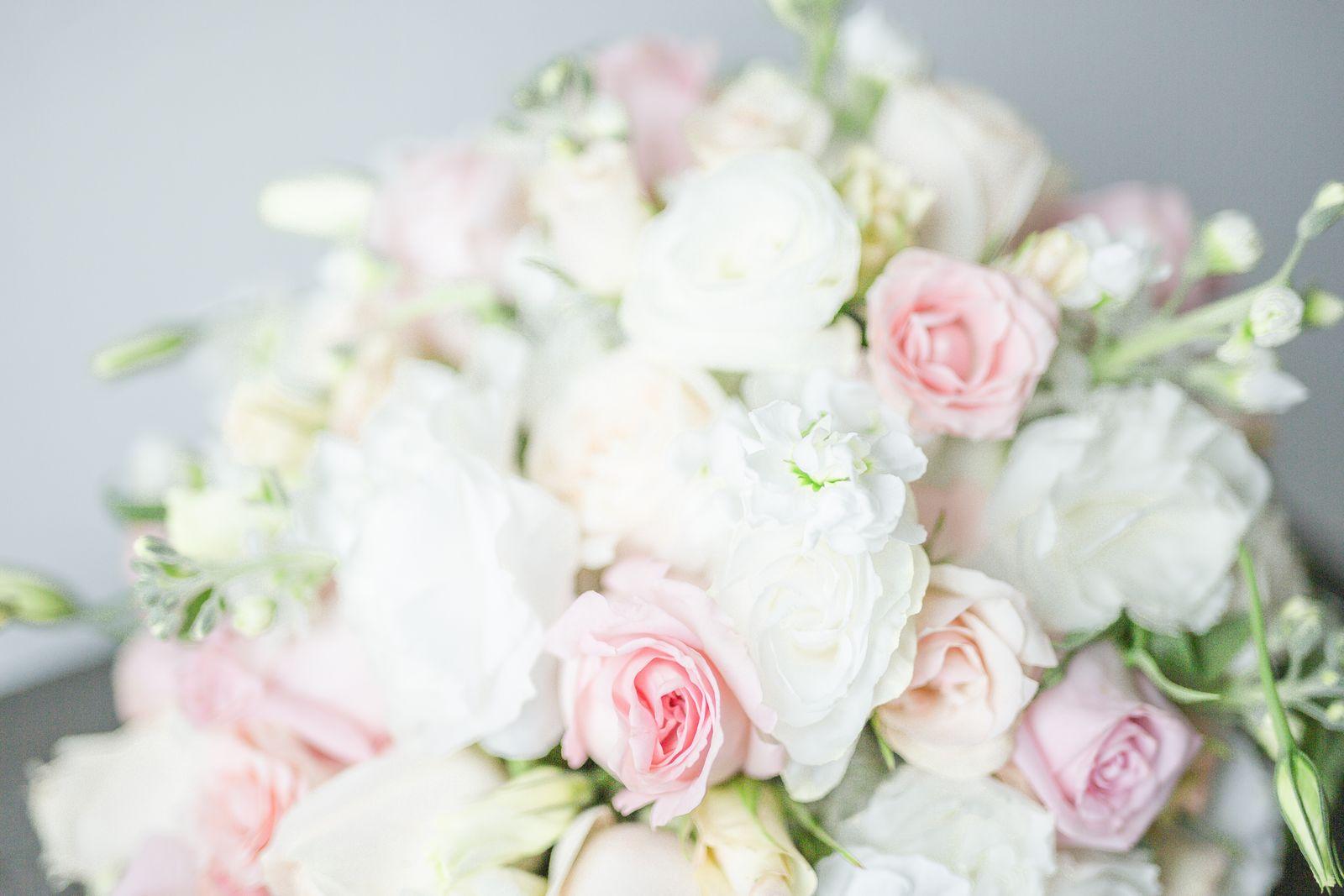
Mixing shades sends a blended message. Pair red and white for unity, or pink and white for something soft and celebratory, a combination people love for engagements and weddings. A dozen red roses and a dozen yellow roses send very different notes, even though they're the same flower. When you're stuck, colour is the safest lever to pull.
Match the bloom to the message
Individual flowers carry their own traditions, and a handful are worth memorising. Lilies have symbolised purity for centuries, appearing again and again in Renaissance paintings of the Annunciation, which is how the white lily became a fixture in funeral and sympathy work. For a restrained, respectful gesture, a white lily arrangement is a classic choice when you're sending sympathy flowers.
One caution matters here. True lilies and daylilies are highly toxic to cats. Even a nibbled petal, a little pollen licked off fur, or a sip of vase water can trigger fatal kidney failure within a few days. Dogs are far less affected. If the recipient keeps cats, ask your florist to swap the lilies for a cat-safe bloom.
Other flowers speak too. In Canada, poppies are worn and given for remembrance, especially around Remembrance Day in November. It's the reason a single poppy can carry more weight than an armful of something else. Learn a few of these associations and you gain a quiet vocabulary for saying exactly what you mean.
Personalise it with birth flowers and anniversary blooms
Want a gift that feels chosen for one person and not pulled off a shelf? Reach for their birth flower. The Old Farmer's Almanac pairs a bloom, usually two, with each month:
- January: carnation and snowdrop
- February: violet and primrose
- March: daffodil and jonquil
- April: daisy and sweet pea
- May: lily of the valley and hawthorn
- June: rose and honeysuckle
- July: larkspur and water lily
- August: gladiolus and poppy
- September: aster and morning glory
- October: marigold and cosmos
- November: chrysanthemum
- December: narcissus and holly
Assignments shift a little between sources, so treat the list as a friendly guide rather than gospel. Building a birthday bouquet around someone's birth flower is a simple way to make it feel personal.
Anniversaries follow their own tradition by year: carnations for the first, daisies for the fifth, roses for the fifteenth, irises for the twenty-fifth, and yellow roses for the fiftieth. It makes a lovely theme when you're planning anniversary flowers for a milestone year.
Consider what's actually in season
Season shapes freshness and price. Around Toronto, the outdoor growing window is short: roughly mid-to-late May through the first fall frost. That's when local, field-grown stems look their best and cost the least.
A couple of local rhythms are worth knowing:
- Peonies bloom outdoors in southern Ontario only from about late May into June, and each plant flowers for just one to two weeks. Peonies in a shop in December are imported, not local.
- Tulips are a spring flower here, peaking locally in May, right around the time Ottawa's tulip festival fills the capital with colour.
For the rest of the year, Toronto florists work with imported blooms, which is completely normal and keeps roses, lilies, and orchids on hand all year. Love a specific seasonal flower? Plan around its window. Want something beautiful today? A florist's fresh mixed bouquet is your safest bet in any month.
How to pick flowers that last
A beautiful bouquet is only as good as its vase life. For arrangements that hold up, florists lean on sturdy, long-lasting flowers: roses, alstroemeria, chrysanthemums, and carnations all go the distance, while softer stems like tulips and sweet peas add movement for a shorter, prettier run.
Once the flowers are home, a little care buys extra days:
- Recut each stem about an inch, at a 45-degree angle, before it goes in water.
- Strip any leaves that would sit below the waterline, since submerged foliage rots and breeds bacteria.
- Use the commercial flower food that comes in the packet, and change the water every two or three days.
- Keep the vase cool, out of direct sun, and away from the fruit bowl, because ripening fruit releases ethylene gas that ages flowers quickly.
Give the stems a fresh trim when you change the water, and pull any bloom that's fading so it doesn't hurry the others along. Skip the folk remedies, though. Coins, aspirin, and a splash of soda don't reliably help. That small packet of flower food does the real work: it feeds the stems, acidifies the water, and holds bacteria back.
The florist's shortcut
Here's the short version. Pick the occasion first. Choose a colour that matches the feeling: red for love, white for sympathy, yellow for friendship. Reach for symbolism or a birth flower when you want the gift to feel personal, and check what's genuinely in season if freshness and value matter to you. Then let a florist balance the shape, texture, and scent.
At Cindy's Flowers, every bouquet is hand-tied in our Toronto studio and delivered same-day across the GTA on orders placed before 3 PM, Monday through Saturday. Not sure where to begin? Browse the current seasonal bouquets and choose the colour that says what you mean.