September carries two birth flowers, not one. By tradition the aster is the month's primary flower, and the morning glory is its secondary bloom. The star-shaped aster stands for love, wisdom, faith and patience, while the morning glory signals affection that climbs and holds on. Only one of the two, the aster, is a practical cut flower for a bouquet. So a September birthday arrangement leans on asters, with the morning glory kept as a garden and symbolic partner. Here's how each flower earned its place. Since only one of the two travels, Cindy's Flowers builds its September birthday bouquets around asters, hand-tied in its Toronto studio and delivered same-day across the GTA on orders placed before 3 PM.
Why does September have two birth flowers?
The short answer is tradition, not botany. Birth-month flowers grew out of the Victorian language of flowers, a 19th-century custom that paired each month with a bloom and a sentiment. The idea spread through gift books and flower dictionaries, and it stuck because it handed people a simple, sentimental shorthand for a card or a bouquet. September ended up with two: the aster as its primary flower, and the morning glory as its secondary one. Because these pairings are convention rather than fact, the exact list shifts a little between sources and countries.
A September birthday also straddles two zodiac signs, Virgo through about the 22nd and Libra after it. Its birthstone is the sapphire. Put together, the aster, the morning glory and that deep blue stone make a tidy set of early-fall birthday symbols. If you're shopping for someone born this month, though, the flowers give you more to work with than the stone: colour, scent, and a bouquet that actually turns up at the door.
The aster's meaning: love, wisdom and a Greek star
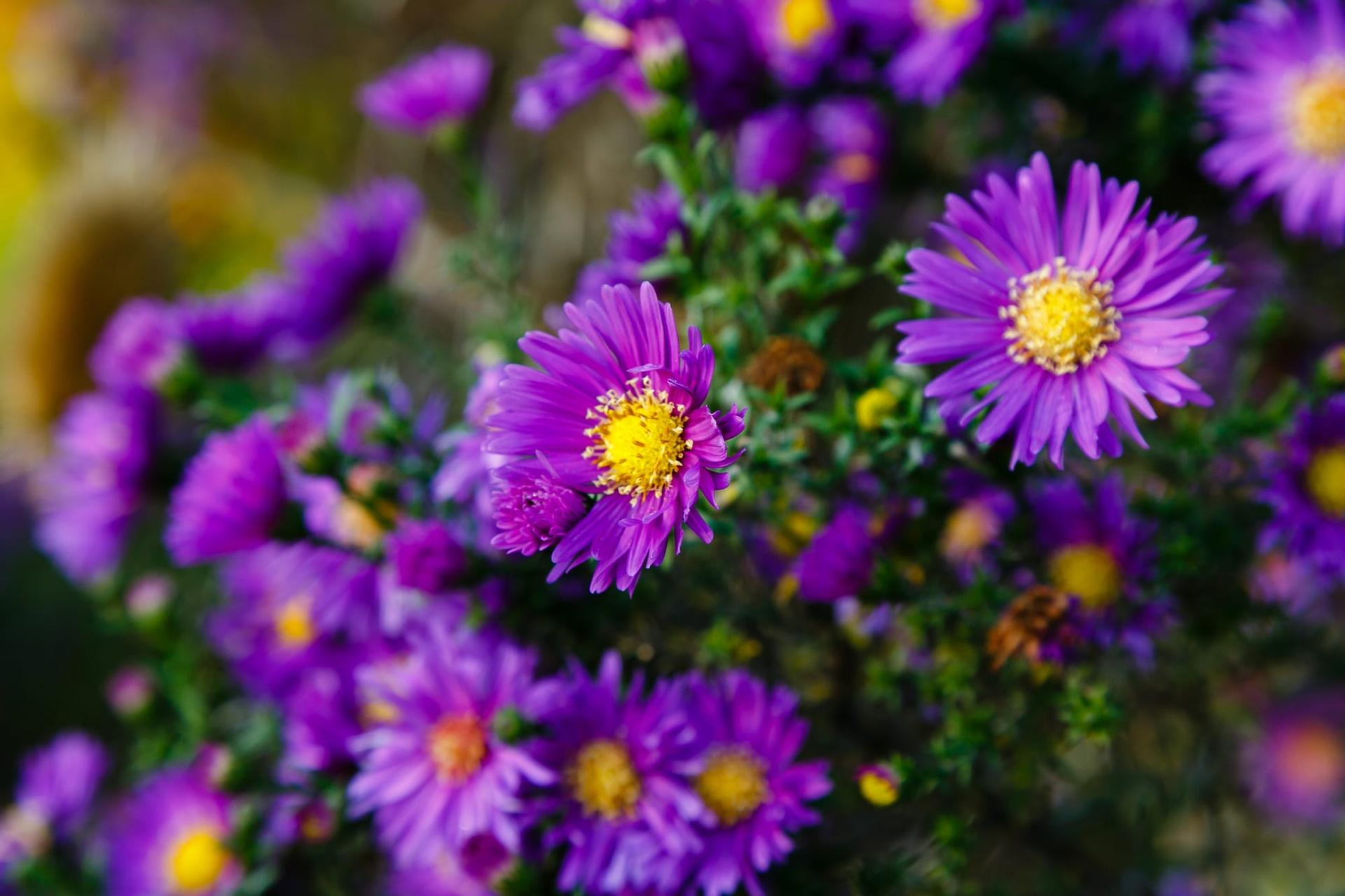
The aster's name comes from the Ancient Greek word for "star," a nod to the narrow, ray-like petals that fan out from its bright centre. Look closely and each "flower" is really a cluster of tiny blooms, a ring of coloured rays around a disc of florets, which is the signature of its whole family. As a birth flower it traditionally carries love, wisdom, faith and patience.
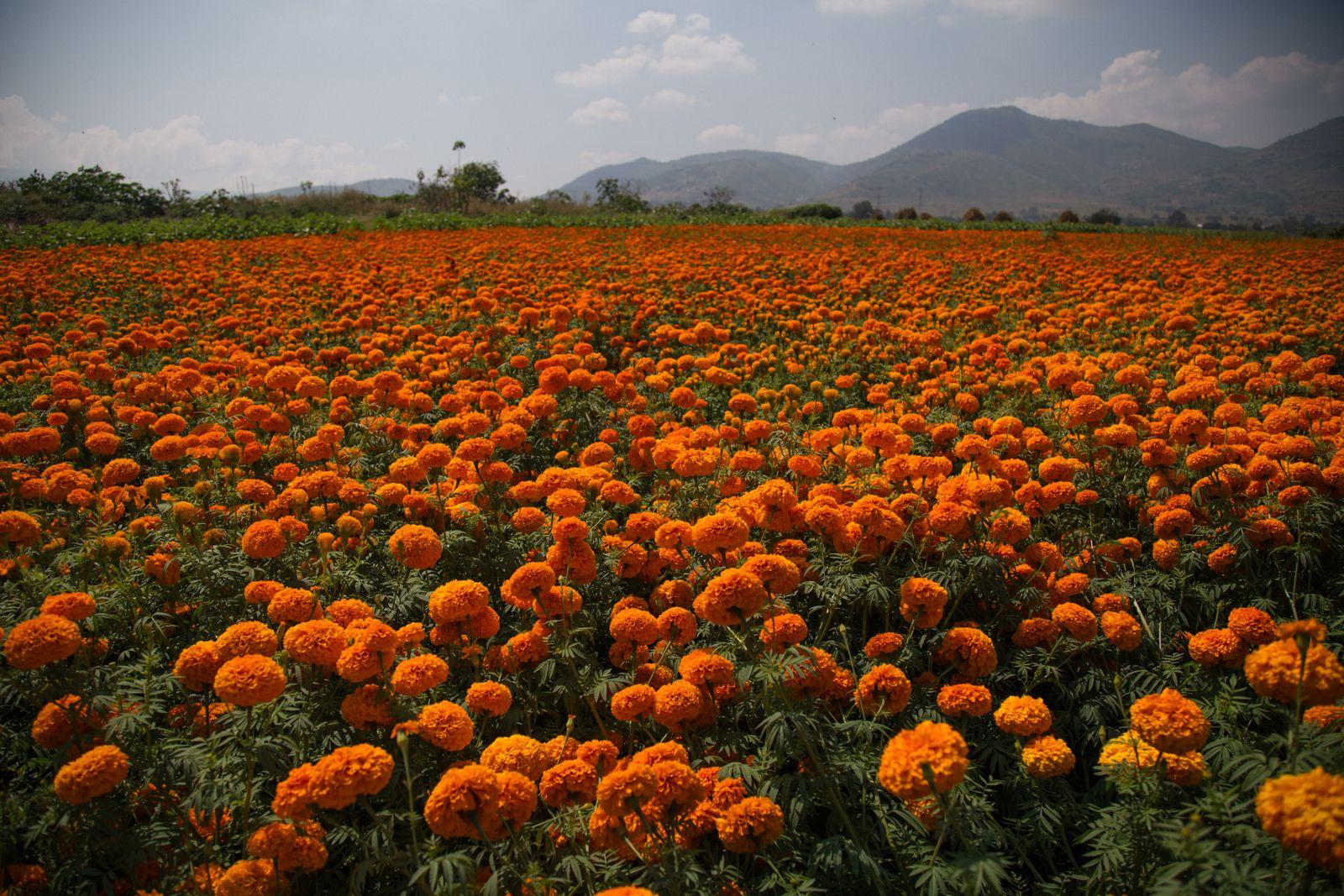
The aster belongs to the daisy family, Asteraceae, alongside sunflowers, dahlias and marigolds, a sprawling group of more than 32,000 species. It comes with old stories, too. Greek myth traces the flower to the tears of the goddess Astraea, and both Greeks and Romans once burned aster leaves to ward off evil spirits and snakes, treating the plant as sacred. That long link with devotion is also why the aster is the traditional flower of the 20th wedding anniversary, so it does double duty on milestone anniversary gifts.
What do the aster's colours mean?
Colour shades the aster's message, so it's worth choosing a shade on purpose. By floral convention, each one leans a slightly different way:
- Purple: wisdom and royalty, the classic aster shade
- White: innocence and purity
- Red: devotion and passion
- Pink: love and everyday kindness
A purple-heavy bunch flatters someone you look up to, while soft pinks suit warm, uncomplicated affection. There's no rulebook here, so trust the person as much as the palette. Mixing shades is fine, too, and it's how most florist asters actually arrive: a spray of colours around those bright yellow centres.
Where do asters grow around Toronto?
Right here in Ontario, as it happens. The New England aster (Symphyotrichum novae-angliae) is native to the province, and it flowers from roughly late August through October, holding on until the first hard frost. You'll spot it along the city's ravine trails and in pollinator gardens, a final flush of colour before the leaves turn. Its rose-purple petals and yellow centres brighten meadows and garden beds across the Toronto area just as summer winds down.
There's a botanical twist worth knowing. Most North American "asters" were reclassified years ago into the genus Symphyotrichum, so the true genus Aster is now almost entirely European and Asian. Gardeners still call them all asters, naturally. Names aside, these late bloomers earn their keep: they're a crucial nectar source for migrating butterflies at a point in the season when little else is flowering.
That native window is short, which matters if you want locally grown stems. Ontario garden asters are a late-summer and early-fall flower, roughly August to October, so at other times of year cultivated greenhouse and imported asters fill the gap. Ask your florist what's local when you order, and don't be surprised if fall bouquets lean on other blooms once the frost arrives. To see what's genuinely fresh and in season today, it's easiest to browse the current bouquets.
What does the morning glory symbolize?
September's second flower speaks of love that holds on. The morning glory, a fast-climbing vine of the genus Ipomoea, traditionally symbolizes deep, undying affection, and in some readings unrequited love. Its trumpet-shaped flowers open with the morning sun and furl shut by afternoon, which is exactly where the name comes from. In gardens they scramble up fences and trellises all season.
That daily closing is also why you won't find morning glory in a delivered bouquet. Each bloom lasts a single morning before it closes for good, so florists honour the flower symbolically rather than cutting it. Cut the vine, and the blooms wilt within hours, which is why seed packets, not stems, are how most people bring them home. If its meaning speaks to you, a hardy seasonal arrangement carries the same note: an unprompted just-because bouquet says "I'm thinking of you" without waiting for an occasion.
One caution if you grow your own. Morning glory vines, flowers and especially seeds are toxic if eaten, and the ASPCA lists the plant as poisonous to dogs, cats and horses. The seeds of some species contain naturally occurring compounds nobody should be ingesting. They climb quickly from seed and flower from early summer until the first frost, so plant them along the fence and keep the seeds well away from pets and children.
Sending September birthday flowers across the GTA
For an actual September birthday gift, asters do the heavy lifting. Their daisy shape reads as cheerful and unfussy, which suits a birthday better than anything too formal. They're also a florist staple with a cut-flower vase life of roughly 7 to 10 days when they're looked after, so a well-made bunch easily outlasts the birthday itself. Cindy's Flowers hand-ties September arrangements in our Toronto studio and delivers them same-day across Toronto and the GTA.
Stretching that vase life is mostly about clean water and a fresh cut:
- Re-cut each stem on an angle before it goes in the vase
- Strip any leaves that would sit below the waterline
- Change the water every couple of days and rinse the vase
- Keep the arrangement out of direct sun and away from the fruit bowl
Because asters usually arrive mixed with other seasonal blooms, our mixed-bouquet care tips go deeper on keeping a whole arrangement lively.
Timing is the one thing to watch. Order before 3 PM, Monday through Saturday, and your gift can arrive the same day, which helps when a birthday quietly sneaks up on you. Our birthday flower delivery is built around long-lasting, in-season stems like asters, so the bouquet still looks its best long after the candles are out.